Selling AI-generated designs online is a viable way to build a business, particularly using a print-on-demand model. The core opportunity is using AI tools to create designs rapidly and then selling them on products without managing inventory . Here is a breakdown of the key strategies, tools, and legal considerations.
🧰 Choosing Your Tools
To start, you’ll need an AI image generator and a platform to sell your designs.
AI Image Generators for Print-on-Demand
Platforms to Sell Your Designs
⚖️ Navigating Legalities and Platform Rules
Selling AI art comes with specific legal and platform-related risks.
- Copyright and Ownership: In the U.S., purely AI-generated art without significant human modification cannot be copyrighted . This means others could potentially copy your design. For a “safer” approach, consider the amount of human input and editing in your workflow .
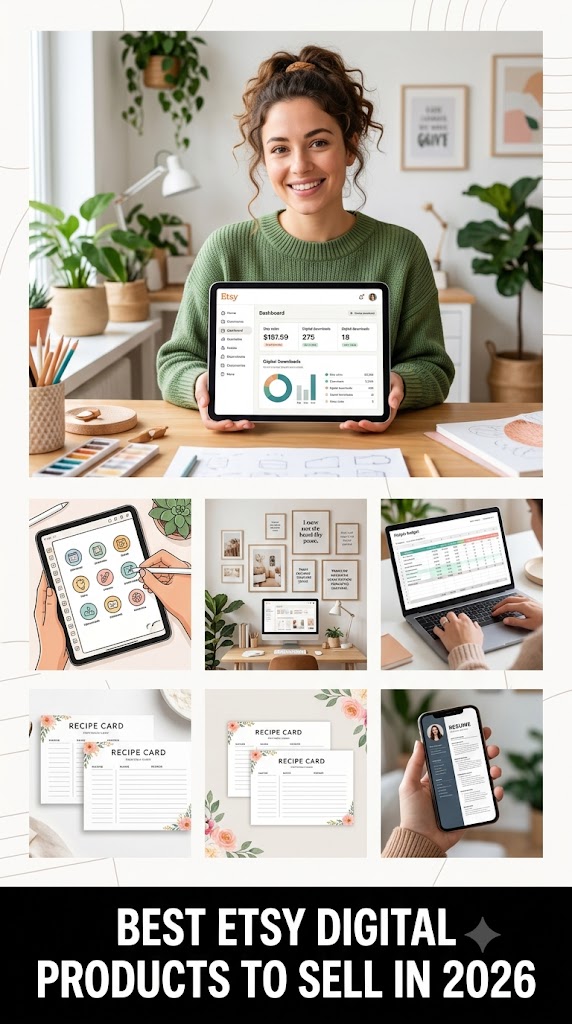
- Platform-Specific Rules: Be sure to check the rules of your chosen platform. For instance, Etsy requires sellers to be transparent about using AI in their listings, and misrepresentation can lead to shop suspension . Conversely, Society6 explicitly allows AI-generated artwork .
- Check AI Platform Terms of Service: The license you get for commercial use depends on the AI tool itself. For example, Leonardo.Ai allows paid subscribers to own and sell their privately generated images exclusively, while free users’ generations are public and owned by the company .
🏭 From Prompt to Product: Best Practices
Creating a design is just the first step. To build a sustainable business, you need to be strategic.
- Find a Niche: This is arguably the most important step. Instead of selling generic “dog” designs, target a specific audience, like “Dachshunds who love coffee.” The more specific, the better .
- Create “Print-Ready” Designs: Don’t just generate an image and upload it. Prompt the AI for a “flat white background” to make background removal easy. Ask for a “vector style” or “thick lines” to ensure the art prints cleanly on apparel .
- Polish Your Work: Run your AI-generated design through a tool like Vectorizer.AI to create a crisp, scalable vector file. This is especially important for screen printing to avoid a jagged, unprofessional look .
- Optimize Your Listings: Your title and tags are how customers will find you. Put your primary keyword in the first 40 characters of your title and use all available tag slots with relevant search terms .
💰 Building a Business
Success in selling AI designs often comes down to volume and consistency. Many successful sellers create a large catalog of designs, with a realistic timeline to reach a significant income. For example, one roadmap suggests that with consistent effort, you could potentially reach $200–$500/month around month six and scale up to $500–$1,500/month by month twelve .
💎 Summary
Selling AI-generated designs online is a promising opportunity. It works best when you combine efficient AI art generation with the print-on-demand fulfillment model. The key is to treat it like a real business: choose your tools carefully, understand the legal and platform rules, focus on a specific niche, and consistently create and optimize your product listings.