In the modern culinary landscape, the intersection of speed, nutrition, and flavor is the “holy grail” of home cooking. We often find ourselves caught between the desire for a decadent, comforting bowl of pasta and the health-conscious need for lean protein and leafy greens. Enter the Healthy Chicken and Kale Pasta. This dish isn’t just a meal; it is a nutritional powerhouse designed to satisfy the palate while fueling the body with essential vitamins, minerals, and macronutrients.
Whether you are a fitness enthusiast looking for a post-workout recovery meal, a busy parent trying to sneak more greens into your children’s diet, or a gourmet home cook seeking a vibrant, Mediterranean-inspired dish, this guide will walk you through everything you need to know about mastering this recipe.
Why Chicken and Kale Pasta is the King of Weeknight Dinners
The beauty of this dish lies in its balance. It follows the principles of the Mediterranean diet—widely considered one of the healthiest eating patterns in the world—by emphasizing whole grains, lean proteins, healthy fats, and an abundance of vegetables.
1. The Nutritional Goldmine of Kale
Kale has earned its reputation as a “superfood” for good reason. It is one of the most nutrient-dense foods on the planet. A single cup of raw kale contains more Vitamin C than an orange and is packed with Vitamin K, which is essential for bone health and blood clotting. It also provides a significant amount of Vitamin A, fiber, and powerful antioxidants like quercetin and kaempferol, which have anti-inflammatory and heart-protective effects.
2. Lean Protein for Muscle and Satiety
Chicken breast is the classic choice for this recipe. It is high in protein but low in fat and calories. Protein is vital for muscle repair, immune function, and keeping you feeling full for longer, which prevents overeating later in the evening.
3. Energy-Sustaining Carbohydrates
By choosing the right pasta—such as whole wheat, chickpea, or lentil-based varieties—you transform a “simple carb” meal into a complex carbohydrate powerhouse. These options provide a steady release of energy and a significant dose of dietary fiber, which aids digestion and stabilizes blood sugar levels.
Selecting Your Ingredients: The Quality Factor
To create a restaurant-quality dish at home, you must start with high-quality ingredients. Here is what you should look for when strolling through the grocery store aisles.
The Kale: Lacinato vs. Curly
- Lacinato (Dinosaur) Kale: This variety has dark blue-green, bumpy leaves. It is slightly sweeter and more delicate than curly kale, making it excellent for pasta dishes where you want the greens to integrate seamlessly.
- Curly Kale: This is the most common variety. It has a peppery, slightly bitter edge and a robust texture. If using curly kale, ensure you remove the tough woody stems and chop the leaves finely.
The Chicken: Sourcing Matters
Whenever possible, opt for organic, pasture-raised, or air-chilled chicken breast. Air-chilled chicken hasn’t been soaked in chlorine water, meaning the meat is more flavorful and sears better in the pan, resulting in a golden-brown crust rather than a rubbery texture.
The Pasta: Beyond White Flour
While traditional semolina pasta is delicious, several healthy alternatives can elevate this dish:
- Whole Wheat: High in fiber and B vitamins.
- Chickpea Pasta (Banza): Gluten-free and packed with protein.
- Spelt Pasta: An ancient grain with a nutty flavor and high mineral content.
- Zucchini Noodles (Zoodles): For those looking to go low-carb or grain-free.
The Aromatics and Fats
Don’t skimp on the garlic. Freshly minced garlic provides allicin, which has medicinal properties. For the fat, use high-quality extra virgin olive oil. It is rich in monounsaturated fats and polyphenols that fight oxidative stress.
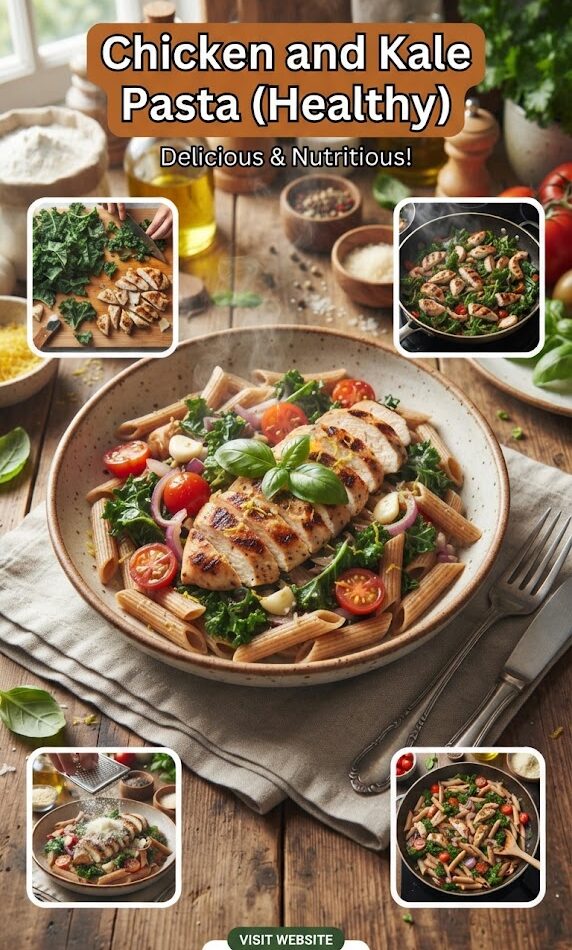
The Master Recipe: Lemon Garlic Chicken and Kale Pasta
This version focuses on a bright, zesty profile that highlights the freshness of the ingredients without the need for heavy, calorie-laden creams.
Ingredients
- Protein: 1 lb chicken breast, cut into 1-inch bite-sized pieces.
- Greens: 1 large bunch of Lacinato kale, stems removed and leaves shredded.
- Pasta: 8 oz whole-grain fusilli or penne.
- Aromatics: 4–6 cloves of garlic, minced; 1 small shallot, finely diced.
- Liquid Gold: 1/2 cup pasta cooking water (reserved).
- Flavor Enhancers: 1 lemon (zest and juice); 1/4 tsp red pepper flakes; 1/2 cup freshly grated Parmesan or Pecorino Romano.
- Fats: 3 tbsp extra virgin olive oil.
- Seasoning: Sea salt and freshly cracked black pepper to taste.
Step-by-Step Instructions
1. Prep the Kale
Kale can sometimes be tough. To ensure it is tender in the final dish, “massage” the shredded kale with a tiny drop of olive oil and a pinch of salt for 30 seconds. This breaks down the tough cellulose fibers.
2. Boil the Pasta
Bring a large pot of salted water to a boil. Cook the pasta according to the package directions, but aim for al dente (firm to the bite). Crucial Step: Before draining, scoop out at least a cup of the starchy pasta water. This is the secret to a silky sauce.
3. Sear the Chicken
While the pasta cooks, heat 1.5 tablespoons of olive oil in a large skillet over medium-high heat. Season the chicken pieces with salt and pepper. Add them to the skillet in a single layer. Let them sear undisturbed for 3–4 minutes to get a golden crust, then toss and cook for another 2 minutes until cooked through. Remove the chicken from the pan and set aside.
4. Sauté Aromatics and Kale
In the same skillet (don’t wash it—those brown bits are flavor!), add the remaining olive oil. Turn the heat to medium. Add the shallots and cook for 2 minutes. Add the garlic and red pepper flakes, cooking for just 30 seconds until fragrant. Add the kale and a splash of pasta water. Cover the pan for 1–2 minutes to let the kale steam and wilt.
5. The Emulsion
Add the cooked pasta and the seared chicken back into the skillet. Pour in the lemon juice and half of the reserved pasta water. Toss vigorously. The starch in the water combines with the olive oil to create a light, glossy sauce that coats every noodle.
6. The Finishing Touches
Turn off the heat. Stir in the lemon zest and the grated Parmesan. If it looks dry, add a bit more pasta water. Taste and adjust the seasoning with more salt, pepper, or lemon as needed.
Pro Tips for Culinary Success
Don’t Overcook the Chicken
Chicken breast dries out quickly. By cutting it into uniform pieces and searing it over high heat, you lock in the juices. Always remove it from the pan once it hits an internal temperature of 165°F (74°C) and let it rest while you finish the vegetables.
The Power of Pasta Water
Many home cooks make the mistake of draining all the water. Pasta water contains starch released during cooking. When added back to the pan, it acts as an emulsifier, binding the oil, lemon juice, and cheese into a cohesive sauce rather than a greasy mess.
Toasting the Garlic
Be careful not to burn the garlic. Burnt garlic turns bitter and can ruin the entire flavor profile of the dish. Aim for a light golden color and a nutty aroma.
Healthy Variations and Dietary Adaptations
One of the reasons this recipe is so popular is its versatility. You can easily adapt it to suit various dietary needs or flavor preferences.
1. The Creamy (but Healthy) Version
If you crave a creamier texture but want to avoid heavy cream, stir in 1/4 cup of Greek yogurt or a dollop of low-fat ricotta cheese at the very end. This adds creaminess and an extra boost of protein without the saturated fat of traditional Alfredo sauce.
2. The Plant-Based Alternative
To make this vegan, replace the chicken with crispy roasted chickpeas or sautéed tempeh. Instead of Parmesan, use nutritional yeast or a vegan cashew-based “parm” for that savory, umami kick.
3. The Mediterranean Twist
Add 1/4 cup of sun-dried tomatoes, a tablespoon of capers, and some Kalamata olives. This version is bursting with salty, tangy flavors that pair perfectly with the earthiness of the kale.
4. The Spicy Kick
If you love heat, increase the red pepper flakes or add a sliced Fresno chili to the aromatics. You can also finish the dish with a drizzle of spicy chili oil.
5. Gluten-Free Excellence
Use brown rice pasta or quinoa pasta. These hold their shape better than some other GF varieties and provide a neutral base that lets the lemon and garlic shine.
The Science of Satiety: Why This Meal Works
Ever wondered why some meals leave you hungry an hour later while others keep you satisfied until breakfast? It comes down to the “Satiety Trifecta”: Fiber, Protein, and Healthy Fats.
- Fiber (from Kale and Whole Grain Pasta): Slows down the rate at which food leaves your stomach and prevents insulin spikes.
- Protein (from Chicken): Stimulates the release of satiety hormones like PYY and GLP-1.
- Healthy Fats (from Olive Oil): Slows down digestion and helps your body absorb the fat-soluble vitamins (A, D, E, K) found in the kale.
By combining these three elements in one bowl, you are signaling to your brain that your body is well-nourished, which naturally regulates your appetite.
Meal Prep and Storage Guidelines
This dish is a “meal prepper’s” dream. It holds up exceptionally well in the refrigerator and can even be enjoyed cold as a pasta salad the next day.
Refrigeration
Store leftovers in an airtight container for up to 3–4 days. The kale will continue to soften slightly, but because it is a hardy green, it won’t become mushy like spinach would.
Reheating
To prevent the chicken from becoming rubbery during reheating:
- Microwave: Add a teaspoon of water or a squeeze of lemon juice to the bowl and cover it loosely. Heat in 30-second increments.
- Stovetop: Heat a tiny bit of olive oil in a pan, add the pasta, and toss until warm. This helps restore the texture of the pasta.
Can You Freeze It?
While you can freeze this dish, the texture of the pasta often changes upon thawing, becoming somewhat soft. If you intend to freeze it, cook the pasta very al dente (undercooked) so it doesn’t fall apart when reheated.
Seasonal Adjustments: Eating with the Calendar
While you can find chicken and kale year-round, you can tweak the recipe to match the seasons:
- Spring: Add blanched asparagus spears and peas.
- Summer: Toss in halved cherry tomatoes and fresh basil leaves at the end.
- Autumn: Add roasted butternut squash cubes for a sweet, earthy contrast to the kale.
- Winter: Use heartier kale varieties and perhaps a sprinkle of toasted walnuts or pine nuts for added crunch and warmth.
Pairing Suggestions
To turn this into a full dining experience, consider these pairings:
Wine Pairings
- Sauvignon Blanc: The high acidity and citrus notes of a Sauvignon Blanc complement the lemon and garlic beautifully.
- Pinot Grigio: A crisp, light white that won’t overpower the delicate flavors of the chicken.
- Light Pinot Noir: If you prefer red, a light-bodied Pinot Noir works well with the earthy notes of the kale and seared chicken.
Side Dishes
- Roasted Root Vegetables: Carrots or parsnips provide a nice textural contrast.
- Simple Side Salad: A light arugula salad with a balsamic vinaigrette can cut through the richness of the olive oil and cheese.
- Garlic Bread: If you aren’t watching your carb intake, a slice of whole-grain sourdough toasted with garlic and herbs is the perfect vessel for soaking up the leftover sauce.
Frequently Asked Questions (FAQs)
1. Is kale really better than spinach in pasta?
It depends on your preference. Spinach wilts much faster and has a higher water content, which can sometimes make pasta dishes “watery.” Kale is heartier, maintains its structure, and provides a more substantial “bite” and a wider range of antioxidants.
2. Can I use chicken thighs instead of breast?
Absolutely. Chicken thighs are more forgiving and less likely to dry out. They do contain more fat, so keep that in mind if you are strictly tracking calories. Trim any excess skin or fat before cooking.
3. How do I make the kale less bitter?
The bitterness in kale comes from its compounds. Massaging it with salt and oil helps. Additionally, the acid from the lemon juice and the saltiness of the Parmesan cheese help neutralize bitterness on the tongue.
4. What if I don’t have fresh lemons?
You can use a splash of high-quality white wine vinegar or apple cider vinegar. The goal is to provide an acidic “brightness” to balance the savory flavors.
5. Is this dish kid-friendly?
Yes! If your children are wary of “green things,” try chopping the kale extremely fine (almost like herbs) or using a “baby kale” variety which is much milder. The familiar taste of pasta and cheese usually wins them over.
The Environmental and Ethical Impact
Choosing a meal centered around kale and lean chicken is not only good for your body but can also be better for the planet.
- Sustainability of Kale: Kale is a hardy crop that requires relatively little water compared to other vegetables and can be grown in various climates, reducing the carbon footprint associated with long-distance transportation.
- Poultry vs. Beef: Chicken has a significantly lower environmental impact (in terms of greenhouse gas emissions and land use) compared to beef or lamb. By making chicken your primary animal protein, you are making a more sustainable choice for the environment.
Common Mistakes to Avoid
- Overcrowding the Skillet: If you put too much chicken in the pan at once, it will steam in its own juices rather than searing. Cook in batches if necessary.
- Using Pre-Grated Cheese: Pre-grated cheese is often coated in potato starch or cellulose to prevent clumping. This prevents it from melting smoothly into the sauce. Always grate your own Parmesan from a block.
- Rinsing the Pasta: Never rinse your pasta! You want that starch on the surface to help the sauce stick.
- Adding the Garlic Too Early: If you add the garlic at the same time as the chicken, the garlic will burn before the chicken is cooked. Always add aromatics toward the end of the sautéing process.
Final Thoughts: A Staple for the Modern Kitchen
Healthy Chicken and Kale Pasta is more than just a quick fix for hunger; it’s a testament to the fact that healthy eating doesn’t have to be boring, restrictive, or time-consuming. It celebrates fresh ingredients, simple techniques, and the joy of a home-cooked meal.
By incorporating this dish into your weekly rotation, you are ensuring a balanced intake of protein, fiber, and vitamins. It is a recipe that grows with you—you can start with the basic lemon-garlic version and eventually experiment with different spices, vegetables, and grains.
In a world full of complicated diets and processed convenience foods, returning to the basics of pasta, greens, and lean meat is a refreshing and delicious way to reclaim your health and your kitchen. So, grab a bunch of kale, put the water on to boil, and enjoy the process of creating a meal that is as good for your soul as it is for your body.