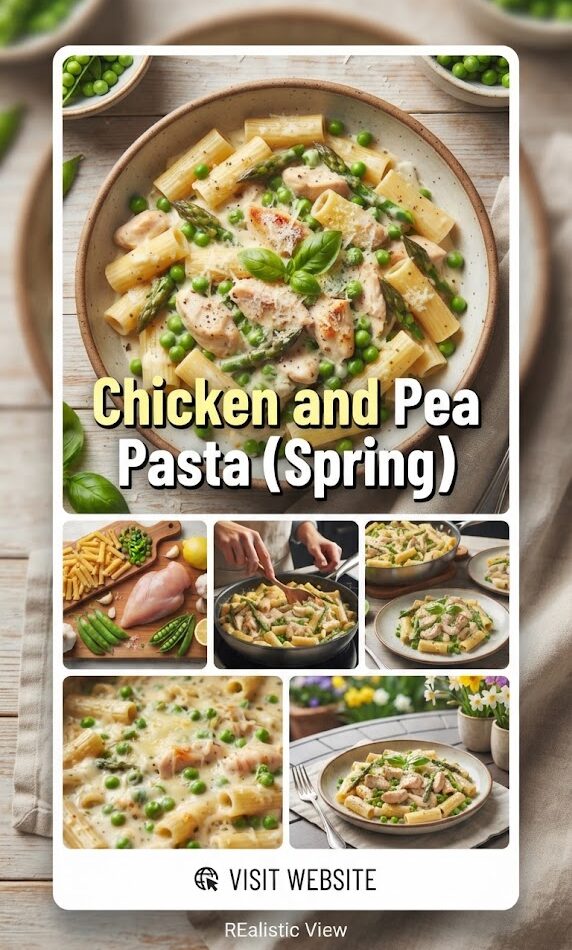
When the frost of winter finally retreats and the first vibrant greens begin to poke through the warming soil, the culinary world undergoes a dramatic transformation. Gone are the days of heavy, slow-simmered stews and dense root vegetables. In their place emerges a craving for something lighter, brighter, and more reflective of the awakening earth. There is perhaps no dish that encapsulates this seasonal shift more perfectly than Chicken and Pea Pasta.
This dish is more than just a meal; it is a celebration of the spring equinox on a plate. It combines the lean, versatile protein of succulent chicken with the popping sweetness of tender spring peas, all bound together by a sauce that typically features the bright acidity of lemon and the aromatic punch of fresh herbs. In this comprehensive guide, we will dive deep into every facet of this iconic spring dish—from sourcing the finest ingredients to mastering the technical nuances that elevate a simple weekday dinner into a gourmet experience.
The Philosophy of Spring Cooking
Spring cooking is defined by minimalism and respect for the ingredient. After months of relying on preserved, dried, or imported goods, the arrival of fresh produce demands a lighter touch. The goal of a great Chicken and Pea Pasta is not to mask the flavors with heavy creams or overpowering spices, but to create a harmonious balance where each component can be tasted distinctly.
Why Peas Define the Season
In the culinary calendar, peas are the heralds of spring. Whether you are using English garden peas, sugar snaps, or snow peas, they bring a specific “green” sweetness that cannot be replicated. When paired with chicken, they provide a textural contrast—a soft pop against the tender chew of the meat.
The Lean Protein Factor
Chicken is the ideal canvas for spring flavors. Unlike beef or lamb, which can dominate a dish with their richness, chicken absorbs the brightness of citrus and the earthiness of herbs, making it the perfect partner for the delicate profile of a spring pasta.
The Anatomy of the Perfect Spring Chicken and Pea Pasta
To create a dish that truly stands out, one must understand the role of every ingredient. This isn’t just about throwing things into a pan; it’s about the synergy of textures and flavors.
1. The Choice of Chicken: Thighs vs. Breasts
The debate over which cut of chicken is superior for pasta is long-standing.
- Chicken Breasts: These are the traditional choice for those seeking a lean, clean flavor. When cooked correctly—ideally poached or lightly sautéed—they remain tender and provide a beautiful aesthetic contrast against the green peas.
- Chicken Thighs: For those who prioritize flavor and moisture, boneless, skinless thighs are the way to go. The slightly higher fat content allows the chicken to stand up to higher heat, developing a golden crust (the Maillard reaction) that adds depth to the overall sauce.
2. The Pea Varieties
Not all peas are created equal. Depending on your location and the specific time in the spring season, you may have different options:
- English Garden Peas: These must be shelled. They are the gold standard for spring pasta, offering a creamy interior and a delicate skin.
- Petit Pois: Smaller and sweeter than standard garden peas, these are often found frozen but are exceptional when fresh.
- Sugar Snap Peas: If you want an added crunch, slicing sugar snaps on a bias and tossing them in at the last minute adds a structural element to the dish.
3. Selecting the Pasta Shape
The shape of your pasta determines how it interacts with the sauce and the peas.
- Orecchiette (“Little Ears”): This is perhaps the best shape for this dish. The “cup” of the pasta perfectly cradles a single pea, ensuring you get the perfect ratio in every bite.
- Fusilli or Rotini: The spirals are excellent for trapping light, oil-based or butter-based sauces.
- Penne Rigate: The ridges on the outside and the hollow center help hold onto garlic and herb bits.
- Tagliatelle or Linguine: If you prefer a silken, elegant mouthfeel, long ribbons coated in a lemon-butter sauce are unmatched.
Sourcing the Finest Ingredients: A Farm-to-Table Approach
To achieve a “Google-ranked” level of quality in your cooking, you must start with the highest quality inputs. Spring is the time to visit your local farmers’ market.
The Importance of Freshness
If you can find peas still in the pod, buy them. The natural sugars in peas begin to turn to starch the moment they are picked. Shelling them yourself just before cooking ensures the highest possible sweetness.
Organic and Heritage Poultry
Look for air-dried, organic chicken. Traditional supermarket chicken is often injected with a saline solution, which leaches out during cooking and prevents the meat from searing properly. An organic, free-range bird will have firmer flesh and a more “chicken-forward” taste.
The Role of Aromatics
Don’t settle for bottled lemon juice or dried herbs. For a spring pasta, you need:
- Fresh Lemon Zest: This provides the essential oils and aroma without the harshness of the acid.
- Green Garlic or Scallions: These are milder than mature garlic bulbs and fit the “young” profile of spring cooking.
- Fresh Mint and Parsley: Mint may sound unusual, but it is a classic pairing with peas that lifts the entire dish.
The Master Recipe: Lemon-Garlic Chicken and Fresh Pea Pasta
This recipe serves four and focuses on technical precision to ensure a vibrant, restaurant-quality result.
Ingredients
- Pasta: 1 lb (500g) Orecchiette or Campanelle.
- Chicken: 1.5 lbs boneless, skinless chicken thighs, cut into bite-sized pieces.
- Peas: 2 cups fresh shelled English peas (or high-quality frozen petit pois).
- Fat: 3 tablespoons extra-virgin olive oil and 2 tablespoons unsalted grass-fed butter.
- Aromatics: 4 cloves of garlic (thinly sliced), 2 shallots (finely minced).
- Liquid: 1/2 cup dry white wine (like Sauvignon Blanc or Pinot Grigio) and 1/2 cup reserved pasta water.
- Finishers: Zest and juice of 1 large organic lemon, 1/2 cup freshly grated Pecorino Romano or Parmesan, 1/4 cup fresh mint leaves (torn), 1/4 cup flat-leaf parsley (chopped).
- Seasoning: Sea salt and freshly cracked black pepper to taste. Red pepper flakes (optional).
Step-by-Step Instructions
Phase 1: Prepping and Searing the Chicken
- Dry the Chicken: Pat the chicken pieces thoroughly dry with paper towels. This is the secret to a good sear. Season generously with salt and pepper.
- The Sear: In a large skillet or Dutch oven, heat 2 tablespoons of olive oil over medium-high heat. Add the chicken in a single layer (do not crowd the pan; work in batches if necessary).
- Develop the Fond: Let the chicken sit undisturbed for 3-4 minutes until a deep golden crust forms. Flip and cook for another 2 minutes. The chicken doesn’t need to be fully cooked through yet. Remove and set aside on a plate.
Phase 2: The Pasta and the Peas
- Boil the Water: Bring a large pot of heavily salted water to a boil (it should taste like the sea).
- Timing: Add your pasta to the water. Check the package for the “al dente” time.
- Blanch the Peas: If using fresh peas, add them to the pasta water during the last 2 minutes of the pasta’s cooking time. If using frozen, add them in the last 30 seconds just to take the chill off.
Phase 3: Building the Sauce
- Sauté Aromatics: In the same skillet used for the chicken, lower the heat to medium. Add the remaining olive oil and the butter. Add the shallots and cook until translucent (about 2 minutes). Add the sliced garlic and red pepper flakes, cooking for just 30 seconds until fragrant but not browned.
- Deglaze: Pour in the white wine. Use a wooden spoon to scrape up all the brown bits (the fond) from the bottom of the pan. Let the wine reduce by half.
- Reintegrate: Add the chicken and any accumulated juices back into the skillet.
Phase 4: The Emulsification
- The Transfer: Use a slotted spoon or spider strainer to transfer the pasta and peas directly from the water into the skillet.
- Pasta Water Magic: Add 1/4 cup of the starchy pasta water to the skillet. Toss vigorously over medium heat. The starch in the water combined with the butter and oil will create a silky, glossy sauce that clings to the pasta.
- Final Touches: Turn off the heat. Add the lemon zest, lemon juice, grated cheese, and fresh herbs. Toss again. If it looks dry, add another splash of pasta water.
Advanced Culinary Techniques for Success
The Science of Pasta Water
Many home cooks make the mistake of rinsing their pasta or draining it completely. Pasta water is “liquid gold.” It contains the starches released by the flour, which acts as a natural emulsifier. Without it, your sauce will likely separate or sit at the bottom of the bowl.
Achieving the Perfect “Al Dente”
Pasta continues to cook once it hits the skillet with the sauce. Always pull your pasta out of the boiling water about 1-2 minutes before the package says it is done. This allows it to finish cooking in the sauce, absorbing the flavors of the garlic, wine, and chicken.
Knife Skills for Aromatics
For this dish, avoid a garlic press. Slicing garlic thinly allows it to mellow and sweeten in the oil, providing “chips” of flavor rather than a sharp, biting pungency. Similarly, mincing shallots finely ensures they melt into the sauce, providing body without an intrusive texture.
Variations of Chicken and Pea Pasta
While the lemon-garlic version is the quintessential spring preparation, there are several ways to adapt this dish to different cravings or dietary needs.
1. The Creamy Spring Indulgence
If you prefer a richer sauce, replace the white wine reduction with a splash of heavy cream or crème fraîche.
- Pro Tip: Add a dollop of ricotta cheese on top of each serving. The cool, creamy cheese against the hot pasta creates a luxurious mouthfeel.
2. The Pesto Twist
Instead of a wine-based sauce, toss the cooked chicken, peas, and pasta with a fresh homemade basil or ramps pesto.
- Seasonal Ingredient: Ramps (wild leeks) are only available for a few weeks in spring. A ramp pesto paired with chicken and peas is a gourmet seasonal masterpiece.
3. The Carbonara Style
For a smoky element, start the dish by crisping up some pancetta or guanciale. Follow the traditional Carbonara method by whisking eggs and Pecorino together, then tossing them with the hot pasta, chicken, and peas (off the heat) to create a creamy, egg-based sauce.
4. The Gluten-Free Adaptation
Use a high-quality gluten-free pasta made from brown rice or chickpeas. Since GF pasta water is often cloudier and starchier, use it sparingly. Alternatively, you can swap the pasta entirely for “zoodles” (zucchini noodles) or spaghetti squash for a low-carb spring meal.
Dietary and Health Benefits
The Chicken and Pea Pasta is a remarkably balanced meal, providing a healthy mix of macronutrients and essential vitamins.
Protein for Muscle Recovery
Chicken is a high-quality complete protein, essential for tissue repair and muscle growth. By using lean cuts and controlling the amount of added fats, this dish remains heart-healthy.
The Power of Peas
Peas are a nutritional powerhouse often overlooked. They are high in:
- Fiber: Aids in digestion and promotes satiety.
- Vitamin K: Essential for bone health and blood clotting.
- Vitamin C: A powerful antioxidant that supports the immune system.
- Plant-Based Protein: Adding to the total protein count of the meal.
Complex Carbohydrates
When using durum wheat pasta or whole-grain varieties, you receive a steady release of energy. The addition of vegetables (peas) lowers the overall glycemic load of the meal compared to a plain bowl of pasta.
Pairing Guide: Elevating the Experience
To turn this meal into a full dining experience, consider the following pairings.
Wine Pairings
The goal is to match the acidity of the lemon and the sweetness of the peas.
- Sauvignon Blanc: Particularly those from New Zealand or the Loire Valley. Their grassy notes and high acidity mirror the fresh peas and lemon.
- Vermentino: An Italian white that often has a slight salinity, which complements the chicken and Parmesan perfectly.
- Dry Rosé: A Provencal-style rosé offers enough body to handle the chicken while remaining light and refreshing for spring.
Side Dishes
- Shaved Asparagus Salad: Use a vegetable peeler to create ribbons of raw asparagus. Toss with lemon, olive oil, and shaved radish for a crunchy, fresh side.
- Artichokes: Steamed artichokes with a garlic butter dip are another classic spring accompaniment.
- Arugula Salad: The peppery bite of arugula balances the sweetness of the peas.
Dessert
Finish the meal with something light:
- Lemon Sorbet: To cleanse the palate.
- Strawberry Shortcake: Using the first strawberries of the season.
Meal Prep and Storage Tips
Chicken and Pea Pasta is an excellent candidate for meal prepping, provided you follow a few rules to keep it fresh.
Storage
Store leftovers in an airtight container in the refrigerator for up to 3 days.
Reheating
Pasta tends to absorb sauce as it sits. When reheating, add a teaspoon of water or chicken broth before microwaving or heating on the stovetop. This will loosen the sauce and prevent the chicken from becoming rubbery.
Can You Freeze It?
While you can freeze this dish, the texture of the peas and the pasta will degrade. It is best enjoyed fresh. If you must freeze, undercook the pasta significantly so it doesn’t turn to mush upon reheating.
Troubleshooting Common Issues
My Chicken is Dry
Solution: This usually happens from overcooking. Ensure you only sear the chicken to get color, then let it finish cooking gently in the sauce during the final minutes. Using chicken thighs instead of breasts also provides a larger margin for error.
The Sauce is Greasy, Not Creamy
Solution: This happens when the fat (oil/butter) hasn’t emulsified with the liquid. The fix is more pasta water and more vigorous tossing. The agitation helps the fat and water bond.
The Peas are Dull and Grey
Solution: Overcooking turns peas from vibrant green to a muddy olive color. Add fresh peas at the very end. They only need about 90 seconds of heat to be perfect.
Frequently Asked Questions (FAQ)
Can I use canned peas?
It is strongly recommended to avoid canned peas for this specific dish. Canned peas have a very soft texture and a metallic taste that will detract from the fresh, bright profile of a spring pasta. Frozen peas are a much better alternative if fresh are unavailable.
What can I substitute for white wine?
If you prefer not to cook with alcohol, use a high-quality chicken bone broth with an extra squeeze of lemon juice to provide the necessary acidity.
Is this dish kid-friendly?
Absolutely. The sweetness of the peas and the familiar shape of the pasta make it a hit with children. You can dial back the red pepper flakes and mint if your children prefer milder flavors.
Can I add other spring vegetables?
Yes! This recipe is highly adaptable. Asparagus tips, leeks, ramp bulbs, or even sautéed spinach make excellent additions to the chicken and pea base.
The Cultural Significance of the Dish
In Italy, the concept of Primavera (Spring) is synonymous with using “young” vegetables. The tradition of mixing legumes with pasta (like Pasta e Piselli) dates back centuries in regional Italian cooking, particularly in the south. In the United States, this evolved into the popular “Pasta Primavera” of the 1970s.
Today, the Chicken and Pea Pasta represents a more modern, protein-focused take on these traditions. it reflects a global culinary shift toward “cleaner” eating—where the quality of the fat (olive oil) and the freshness of the produce are prioritized over heavy sauces.
Conclusion: Bringing the Garden to Your Table
The Chicken and Pea Pasta is more than just a 30-minute weeknight meal; it is a sensory experience that signals the change of seasons. It teaches us the importance of timing, the value of “liquid gold” pasta water, and the joy of using ingredients at their seasonal peak.
By following this guide, you aren’t just making dinner; you are mastering a technique that can be applied to countless other dishes. Whether you are hosting a breezy spring lunch on the patio or looking for a nutritious, comforting dinner after a long day, this pasta is a reliable, elegant, and delicious solution.
As the days grow longer and the markets fill with the bounty of spring, let this dish be your go-to celebration of the season. Grab a bunch of fresh mint, a bag of peas, and a bottle of crisp white wine—your perfect spring dinner is only a few minutes away.