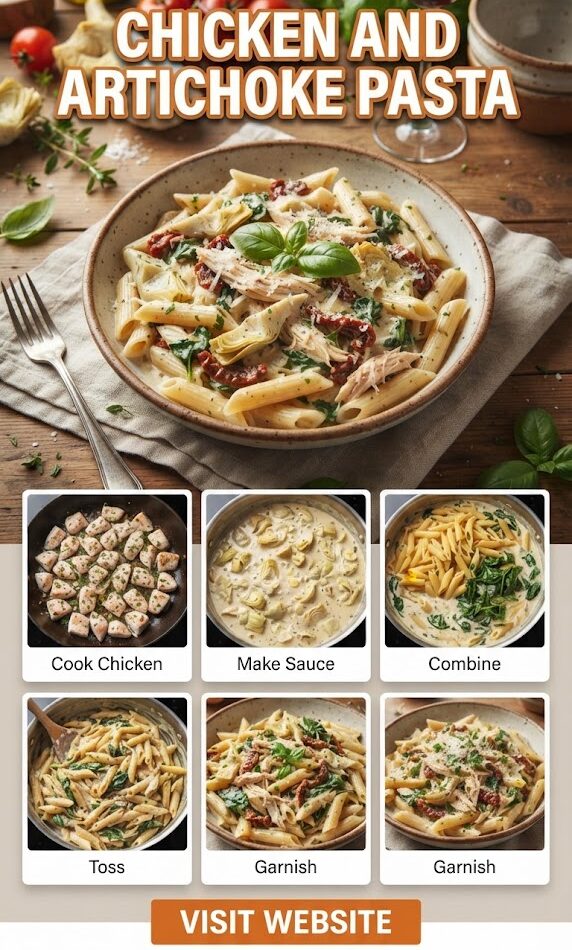
The culinary world is filled with classic pairings—tomato and basil, lemon and garlic, chocolate and sea salt. But few combinations offer the sophisticated balance of earthy, savory, and bright flavors quite like Chicken and Artichoke Pasta. This dish is a staple of Mediterranean-inspired home cooking, bridging the gap between a quick weeknight dinner and an elegant meal fit for a dinner party.
In this comprehensive guide, we will dive deep into every facet of this beloved dish. From selecting the finest ingredients and mastering the sear on your chicken to understanding the science of a silky sauce and exploring global variations, this is the only resource you will ever need to master the art of Chicken and Artichoke Pasta.
Why Chicken and Artichoke Pasta is a Timeless Classic
The magic of this dish lies in its contrast. You have the lean, protein-packed chicken, the unique, slightly nutty flavor of artichokes, and the comforting foundation of al dente pasta. When bound together by a sauce—whether it’s a light lemon-butter glaze, a rich cream sauce, or a robust pesto—the result is a symphony of textures.
Artichokes, in particular, are the “secret weapon” of the Mediterranean pantry. They provide a sophisticated depth of flavor that is difficult to replicate with any other vegetable. When paired with chicken, which acts as a versatile canvas, the artichoke’s natural sweetness and slight metallic tang are perfectly balanced.
The Core Components: Selecting Your Ingredients
To create a restaurant-quality dish at home, you must start with high-quality components. Let’s break down the essential elements of a superior Chicken and Artichoke Pasta.
1. The Protein: Chicken Selection
While you can use various cuts of chicken, the choice significantly impacts the final texture and flavor:
- Chicken Breast: The most popular choice for a leaner meal. To keep it juicy, it should be thinly sliced or “velveted” before sautéing.
- Chicken Thighs: Preferred by many chefs for their higher fat content, which translates to more flavor and a more forgiving cooking process. Thighs remain tender even if slightly overcooked.
- Rotisserie Chicken: A fantastic time-saver. If you’re in a rush, shredding a pre-cooked chicken allows you to focus entirely on the sauce and the artichokes.
2. The Star: Artichokes
How you source your artichokes will define the dish’s profile:
- Marinated Artichoke Hearts: Usually found in jars with oil, vinegar, and herbs. These add an extra layer of acidity and seasoning to the pasta.
- Canned Artichoke Hearts: Packed in water or brine. These are more neutral and allow you to control the flavor profile entirely.
- Frozen Artichoke Hearts: Often the closest in flavor to fresh artichokes without the intense labor of trimming fresh ones.
- Fresh Artichokes: The gold standard, but labor-intensive. If using fresh, you must trim them down to the tender hearts and braise them before adding them to the pasta.
3. The Pasta Shapes
The shape of the pasta dictates how the sauce and ingredients are delivered to your palate:
- Penne or Rigatoni: The hollow centers and ridges are perfect for catching bits of artichoke and thick sauces.
- Fettuccine or Linguine: Best for creamy or buttery sauces where the long strands can be thoroughly coated.
- Farfalle (Bow Tie): A visually appealing choice that matches the “petals” of the artichoke hearts.
- Fusilli: The spirals are excellent for trapping garlic, herbs, and small pieces of chicken.
4. The Aromatics and Seasonings
- Garlic: Non-negotiable. Use fresh cloves rather than pre-minced jars for a pungent, sweet aroma.
- Shallots or Onions: Provide a subtle sweetness and base layer of flavor.
- Lemon: Both the zest and the juice are vital for cutting through the richness of the chicken and oil.
- Fresh Herbs: Parsley, basil, and thyme are traditional. For a more adventurous profile, try fresh dill or tarragon.
The Master Recipe: Lemon-Garlic Chicken and Artichoke Pasta
This version is the “Gold Standard”—a light, Mediterranean-style preparation that emphasizes fresh flavors and high-quality olive oil.
Ingredients
- 1 lb (450g) Pasta of choice (e.g., Penne or Linguine)
- 1.5 lbs (680g) Chicken breast or thighs, cut into bite-sized pieces
- 1 jar (12 oz) Marinated artichoke hearts, drained and halved
- 4 cloves Garlic, minced
- 1 large Shallot, finely diced
- 1/2 cup Dry white wine (Pinot Grigio or Sauvignon Blanc)
- 1 cup Chicken stock (low sodium)
- Zest and juice of 1 large lemon
- 1/2 cup Freshly grated Parmesan cheese
- 1/4 cup Fresh parsley, chopped
- 2 tbsp Extra virgin olive oil
- 1 tbsp Butter (optional, for silkiness)
- Salt and freshly cracked black pepper to taste
- Red pepper flakes (optional, for heat)
Step-by-Step Instructions
Step 1: Prep and Season
Start by seasoning your chicken pieces generously with salt and pepper. If you have time, let the chicken sit at room temperature for 15 minutes; this ensures even cooking and a better sear.
Step 2: Boil the Pasta
Bring a large pot of heavily salted water to a boil. Cook the pasta according to the package instructions until it is al dente (firm to the bite). Crucial Tip: Reserve at least 1 cup of the starchy pasta water before draining. This liquid is “liquid gold” for creating a cohesive sauce.
Step 3: Sear the Chicken
In a large skillet or pan, heat the olive oil over medium-high heat. Add the chicken in a single layer. Let it cook undisturbed for 3-4 minutes to develop a golden-brown crust (the Maillard reaction). Flip and cook until done. Remove the chicken from the pan and set it aside on a plate.
Step 4: Sauté Aromatics and Artichokes
In the same pan, add the shallots. Sauté for 2 minutes until translucent. Add the garlic and red pepper flakes (if using), cooking for another 30 seconds until fragrant. Toss in the artichoke hearts, allowing them to brown slightly in the residual chicken fat and oil.
Step 5: Deglaze the Pan
Pour in the white wine. Use a wooden spoon to scrape up any brown bits (fond) from the bottom of the pan—this is where the concentrated flavor lives. Let the wine reduce by half.
Step 6: Build the Sauce
Add the chicken stock and lemon juice. Bring to a simmer. Let the liquid reduce slightly to concentrate the flavors. If you want a richer finish, whisk in the tablespoon of butter at this stage.
Step 7: The Great Assembly
Return the cooked chicken to the pan along with the cooked pasta. Toss everything together over low heat. If the pasta looks too dry, add the reserved pasta water a few tablespoons at a time. The starch in the water will emulsify with the oil and butter to create a silky glaze.
Step 8: Finishing Touches
Turn off the heat. Stir in the Parmesan cheese, lemon zest, and fresh parsley. The cheese will melt into the sauce, adding saltiness and body. Taste and adjust seasoning with more salt, pepper, or lemon juice as needed.
Variations to Suit Every Palate
One of the reasons Chicken and Artichoke Pasta is a global favorite is its versatility. Here are several ways to adapt the base recipe:
1. The Creamy Tuscan Style
If you prefer a more indulgent meal, swap the chicken stock for heavy cream. Add sun-dried tomatoes and fresh baby spinach during the final simmering stage. The sweetness of the tomatoes and the richness of the cream turn this into a decadent comfort food.
2. Pesto Infusion
Instead of a lemon-wine sauce, toss the cooked chicken, pasta, and artichokes with a high-quality basil pesto. The pine nuts and basil provide a vibrant, herbaceous contrast to the earthy artichokes. Top with toasted pine nuts for extra crunch.
3. The “One-Pan” Method
For the busy home cook, you can cook the pasta directly in the pan with the chicken and stock. You’ll need to increase the liquid ratio, but the result is an incredibly flavorful pasta as the noodles absorb the chicken essence directly while cooking.
4. Mediterranean Low-Carb
Replace the traditional wheat pasta with zucchini noodles (zoodles), spaghetti squash, or heart of palm pasta. This version focuses heavily on the artichokes and chicken, making it a keto-friendly option that doesn’t sacrifice flavor.
5. Spicy Calabrian Version
Add a tablespoon of Calabrian chili paste or chopped cherry peppers to the aromatics. The heat pairs exceptionally well with the acidity of the artichokes and lemon, creating a dish that wakes up the palate.
The Science of the Perfect Pasta Sauce
Understanding why certain techniques work will elevate your cooking from “good” to “professional.”
The Role of Pasta Water
Pasta water contains starch released by the flour as it cooks. When you add this water to a pan containing fat (like olive oil or butter), it acts as an emulsifier. Without it, the oil often sits at the bottom of the bowl. With it, you get a sauce that clings to every strand of pasta.
The Importance of Deglazing
When you sear chicken, proteins and sugars break down and stick to the pan. This “fond” is a flavor powerhouse. Using an acidic liquid like white wine or lemon juice to loosen these bits ensures that no flavor is wasted.
Balancing the Five Tastes
A perfect Chicken and Artichoke Pasta hits multiple taste notes:
- Salty: From the pasta water and Parmesan.
- Sour: From the lemon and wine.
- Bitter/Earthy: From the artichokes and parsley.
- Umami: From the seared chicken and aged cheese.
- Sweet: From the sautéed shallots.
Nutritional Benefits of Chicken and Artichoke Pasta
This dish isn’t just delicious; it’s packed with nutritional value, especially when prepared with a focus on whole ingredients.
Artichokes: The Fiber Powerhouse
Artichokes are one of the highest-fiber vegetables available. They are rich in cynarin and silymarin, antioxidants that support liver health and digestion. They are also a great source of Vitamin C, Vitamin K, and folate.
Lean Protein
Chicken provides high-quality protein necessary for muscle repair and satiety. By using chicken breast and sautéing in heart-healthy olive oil, you keep the saturated fat levels low.
The Mediterranean Advantage
When you use extra virgin olive oil as your primary fat source, you are consuming monounsaturated fats, which are known to support cardiovascular health. Adding garlic and onions provides prebiotic fibers that feed a healthy gut microbiome.
Expert Tips for Success
- Don’t Overcook the Artichokes: If using canned or jarred artichokes, they are already soft. You only want to sauté them long enough to get a bit of color; overcooking will turn them into mush.
- Use Room Temperature Cheese: If you’re adding Parmesan or Pecorino, let it come to room temperature. Cold cheese can clump when it hits hot pasta.
- Zest Before You Juice: It is nearly impossible to zest a lemon after it has been squeezed. Always take the zest off first.
- Toast Your Spices: If you’re using dried herbs instead of fresh, add them to the oil with the garlic. The heat “blooms” the oils in the dried herbs, reviving their flavor.
- Quality of Wine Matters: Never cook with a wine you wouldn’t drink. “Cooking wine” sold in grocery stores is often loaded with salt and lacks the complexity needed for a good sauce.
Pairing Suggestions: Completing the Meal
To turn your Chicken and Artichoke Pasta into a full Mediterranean feast, consider these pairings:
Wine Pairings
- Sauvignon Blanc: The high acidity and citrus notes perfectly mirror the lemon in the sauce.
- Vermentino: A classic Italian white that has a slight “salty” minerality, which complements artichokes beautifully.
- Chardonnay (Unoaked): If you are making the creamy version of this dish, an unoaked Chardonnay provides the body needed to stand up to the cream.
Side Dishes
- Arugula Salad: The peppery bite of fresh arugula with a simple balsamic vinaigrette cleanses the palate between bites of savory pasta.
- Roasted Asparagus: Provides a different texture and reinforces the “green” earthy notes of the artichokes.
- Garlic Bread: Essential for mopping up any leftover sauce at the bottom of the plate.
Dessert
- Lemon Sorbet: A light, refreshing finish that echoes the citrus in the main course.
- Tiramisu: For those who want a more traditional, indulgent Italian conclusion.
Storing and Reheating
In the Refrigerator
Chicken and Artichoke Pasta stores well in an airtight container for up to 3 to 4 days. In fact, many find the flavors meld and improve the next day.
Reheating Tips
Pasta has a tendency to absorb sauce as it sits. When reheating:
- Stovetop: Add a splash of water or chicken broth to the pan to loosen the sauce and prevent the chicken from drying out.
- Microwave: Cover the bowl with a damp paper towel to create steam, which keeps the pasta tender.
Can You Freeze It?
While you can freeze it, pasta often becomes mushy upon thawing. If you plan to freeze, it is better to freeze the chicken and artichoke sauce separately and cook fresh pasta when you are ready to serve.
Frequently Asked Questions (FAQs)
Can I make this dish vegetarian?
Absolutely. Simply omit the chicken and add more hearty vegetables like mushrooms, chickpeas, or extra artichokes. Use vegetable broth instead of chicken stock.
What if I can’t find marinated artichokes?
Canned artichokes in water work perfectly. Just be sure to season the dish a bit more aggressively with salt, pepper, and perhaps a pinch of dried oregano to compensate for the lack of marinade flavor.
My sauce is too thin. How do I thicken it?
The best way is to let it reduce further on the stove. Alternatively, you can mix a teaspoon of cornstarch with a tablespoon of cold water (a slurry) and stir it into the simmering sauce. However, the traditional method of using pasta water and Parmesan cheese is usually sufficient.
Can I use whole wheat or gluten-free pasta?
Yes. Whole wheat pasta adds a nutty flavor that goes quite well with artichokes. For gluten-free options, chickpea-based or brown rice pastas are the best substitutes for maintaining a good texture.
The History of the Artichoke in Pasta
The artichoke (Cynara cardunculus) is native to the Mediterranean region. Historical records suggest they were consumed by ancient Greeks and Romans, who considered them a delicacy and an aphrodisiac. However, it wasn’t until the 15th century in Florence that the artichoke began to be cultivated in the forms we recognize today.
The integration of artichokes into pasta dishes is a hallmark of “Cucina Povera” (the kitchen of the poor) in Southern Italy, where seasonal vegetables were used to stretch expensive proteins or satisfy the family when meat was unavailable. Over centuries, these recipes migrated across the globe, eventually being refined into the elegant Chicken and Artichoke Pasta we enjoy today.
Final Thoughts: The Joy of Home Cooking
There is a unique satisfaction in preparing a dish like Chicken and Artichoke Pasta. It is a meal that appeals to the senses—the sizzle of the chicken, the aroma of garlic and lemon filling the kitchen, and the vibrant colors of green artichokes and yellow pasta on the plate.
Whether you are cooking for a family of four on a Tuesday night or hosting a sophisticated dinner for friends, this recipe offers the perfect balance of simplicity and elegance. By focusing on quality ingredients, mastering basic techniques like deglazing and emulsifying, and experimenting with your own variations, you can create a version of this dish that is uniquely yours.
So, grab a bottle of wine, put on some music, and head to the kitchen. The perfect plate of Chicken and Artichoke Pasta is just a few steps away.
Quick Summary Checklist for the Perfect Dish:
- Pasta: Cooked 1 minute less than the package says (it finishes in the sauce).
- Chicken: Searing is key—don’t crowd the pan!
- Artichokes: Drain them well to avoid a soggy texture.
- Pasta Water: Save it! It’s the secret to the sauce.
- Lemon: Use both zest and juice for the full flavor spectrum.
- Herbs: Add them at the very end to keep them bright and fresh.