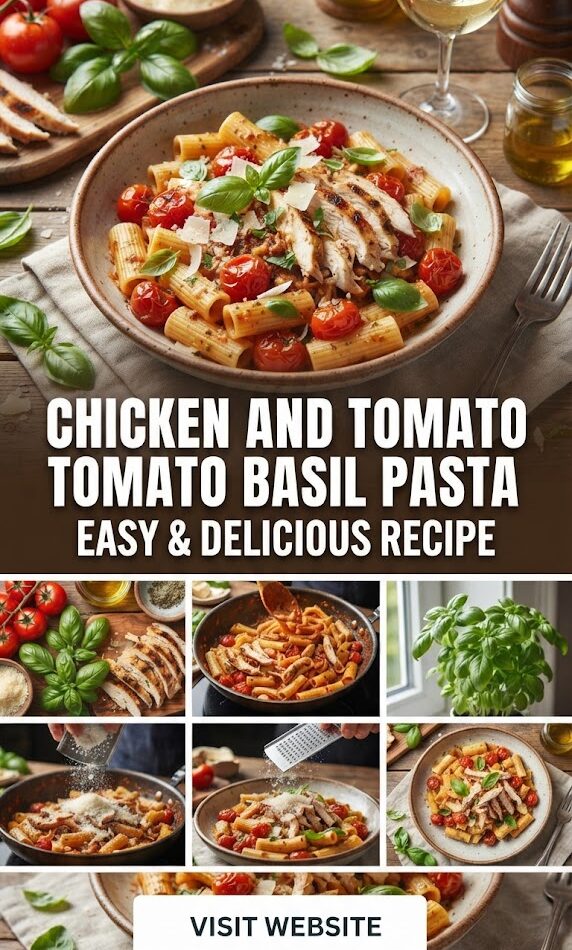
There is a certain magic that happens when fresh herbs, succulent protein, and sun-ripened fruit collide in a hot pan. Chicken and Tomato Basil Pasta is more than just a meal; it is a culinary staple that bridges the gap between sophisticated Italian tradition and the hearty, soul-warming comfort of American home cooking. Whether you are looking for a quick weeknight dinner that will please the kids or an elegant dish to impress guests at a dinner party, this recipe is your ultimate weapon.
In this comprehensive guide, we will explore every facet of this iconic dish. From selecting the perfect San Marzano tomatoes to mastering the art of the “pasta water emulsion,” you are about to embark on a journey that will transform your kitchen into a high-end trattoria.
The Philosophy of Simple Ingredients
The beauty of Chicken and Tomato Basil Pasta lies in its simplicity. When a dish relies on only a handful of components, the quality of each ingredient becomes paramount. To achieve a Google-ranked, restaurant-quality result, you must understand your building blocks.
1. The Chicken: Finding the Perfect Protein
While many recipes call for generic chicken breast, the discerning chef knows there are options.
- Chicken Breast: The leanest choice. To keep it juicy, it must be cooked quickly over high heat or sliced thinly into “scaloppine” styles.
- Chicken Thighs: Often overlooked, boneless, skinless thighs offer more fat and flavor. They are much harder to overcook and remain tender even if they simmer in the sauce for a few extra minutes.
- Organic and Air-Chilled: If your budget allows, opt for air-chilled chicken. It hasn’t been soaked in water weight, meaning it sears better and tastes more “chicken-y.”
2. The Tomatoes: The Heart of the Sauce
The tomato is the conductor of this orchestra. You have three primary paths:
- Fresh Cherry or Grape Tomatoes: These are perfect for a “blistered” sauce. They burst in the pan, releasing natural sugars and creating a light, chunky texture.
- San Marzano Canned Tomatoes: Grown in the volcanic soil of Mount Vesuvius, these are the gold standard for a rich, silky sauce. They have fewer seeds and a lower acidity.
- Tomato Passata: For those who prefer a smooth, velvety consistency without any chunks.
3. The Basil: More Than a Garnish
Basil is volatile. Its oils dissipate quickly under heat. To truly capture that peppery, sweet aroma, you need fresh Genovese basil. Never use dried basil for this dish; the flavor profile is completely different and lacks the bright “green” notes that define the experience.
4. The Pasta: Geometry and Texture
The shape of your pasta dictates how it carries the sauce.
- Penne Rigate: The ridges (rigate) help the tomato sauce cling to the surface.
- Fettuccine or Spaghetti: Best for a silkier, olive-oil-heavy sauce.
- Rigatoni: Large tubes that capture chunks of chicken and tomato inside for a burst of flavor in every bite.
The Science of the Sizzle: Prep and Technique
Before we light the stove, we must talk about technique. Professional chefs don’t just throw things in a pan; they build layers of flavor.
The Maillard Reaction
When you sear your chicken, you are looking for that golden-brown crust. This is the Maillard reaction—a chemical reaction between amino acids and reducing sugars that gives browned food its distinctive flavor. Do not crowd the pan. If you put too much chicken in at once, the temperature drops, the meat releases moisture, and it steams rather than sears.
Deglazing the Pan
After the chicken is cooked and removed, you will see brown bits stuck to the bottom of the pan. This is “fond”—pure culinary gold. When you add your garlic, onions, or a splash of white wine, you scrape these bits up, incorporating that deep, roasted chicken flavor directly into your tomato sauce.
The Emulsion (Liquid Gold)
Never, ever drain your pasta water down the sink without saving a cup. Pasta water is loaded with starch. When added to your tomato sauce and olive oil, it acts as an emulsifier, binding the fat and the liquid together to create a creamy, glossy sauce that coats every strand of pasta instead of pooling at the bottom of the bowl.
Step-by-Step: The Definitive Chicken and Tomato Basil Pasta Recipe
Ingredients List
- Chicken: 1.5 lbs boneless, skinless chicken breast or thighs, cut into bite-sized pieces.
- Pasta: 1 lb (500g) of your choice (Penne or Rigatoni recommended).
- Tomatoes: 2 cups of cherry tomatoes (halved) OR 1 can (28 oz) of crushed San Marzano tomatoes.
- Aromatics: 4-6 cloves of fresh garlic (minced), 1 small shallot (finely diced).
- Herbs: 1 large bunch of fresh basil (about 1 cup, loosely packed).
- Fat: 3 tablespoons of Extra Virgin Olive Oil, 1 tablespoon of unsalted butter.
- Seasoning: Salt, freshly cracked black pepper, and a pinch of red pepper flakes (optional for heat).
- Cheese: Freshly grated Parmigiano-Reggiano or Pecorino Romano.
Instructions
Step 1: Season and Sear
Pat the chicken dry with paper towels. Moisture is the enemy of a good sear. Season generously with salt and pepper. Heat 2 tablespoons of olive oil in a large skillet over medium-high heat. Add the chicken in a single layer. Let it sit undisturbed for 3-4 minutes to develop a crust, then flip and cook for another 3 minutes. Remove chicken from the pan and set aside on a plate (it doesn’t need to be fully cooked through yet; it will finish in the sauce).
Step 2: The Aromatic Base
In the same pan, lower the heat to medium. Add the remaining tablespoon of olive oil and the butter. Toss in the shallots and cook until translucent (about 2 minutes). Add the minced garlic and red pepper flakes. Sauté for only 30-60 seconds—garlic burns quickly and becomes bitter, so stay vigilant.
Step 3: Building the Sauce
Add your tomatoes.
- If using cherry tomatoes: Sauté them until they begin to soften and “pop.” Use the back of a wooden spoon to gently crush some of them to release their juices.
- If using canned tomatoes: Pour them in and stir to incorporate the garlic and shallots. Simmer the sauce on low for 10-15 minutes. This allows the water to evaporate and the flavors to concentrate.
Step 4: The Pasta Boil
While the sauce simmers, bring a large pot of heavily salted water to a boil. It should “taste like the sea.” Cook the pasta for 2 minutes less than the package directions for “al dente.” It will finish cooking in the sauce.
Step 5: The Marriage
Using a slotted spoon or tongs, transfer the pasta directly from the boiling water into the skillet with the sauce. Add the chicken and any juices that accumulated on the plate back into the pan. Pour in about 1/2 cup of the starchy pasta water.
Step 6: The Finishing Touch
Toss everything together over medium heat for 2 minutes. The pasta will absorb the sauce, and the chicken will finish cooking. Turn off the heat. This is the moment for the basil. Tear the leaves by hand (rather than chopping them, which can bruise and blacken the edges) and fold them into the pasta. Add a handful of grated Parmesan and a final drizzle of high-quality olive oil.
Variations to Suit Every Palate
One of the reasons Chicken and Tomato Basil Pasta is a global favorite is its versatility. You can adapt the base recipe to fit various dietary needs or flavor preferences.
The Creamy Tuscan Version
If you prefer a richer, more indulgent sauce, add 1/2 cup of heavy cream and a handful of fresh baby spinach during Step 5. The cream mellows the acidity of the tomatoes, creating a “pink sauce” or “crema di pomodoro” that is incredibly luxurious.
The Spicy “Arrabbiata” Twist
For those who like it hot, triple the amount of red pepper flakes and add sliced Calabrian chiles. This “angry” (arrabbiata) version pairs perfectly with the sweetness of the basil and the savory chicken.
The Low-Carb/Keto Alternative
Swap the traditional pasta for zucchini noodles (zoodles) or spaghetti squash. Since these vegetables release a lot of water, sauté them separately for only 1-2 minutes before tossing them with the sauce at the very end to prevent the dish from becoming watery.
The Roasted Garlic Variation
Instead of sautéing raw garlic, fold in an entire head of roasted garlic cloves. This provides a mellow, caramelized sweetness that transforms the dish into something much deeper and earthier.
The Nutritional Breakdown: Is It Healthy?
Chicken and Tomato Basil Pasta is a well-balanced meal that provides a good mix of macronutrients.
- Protein: Chicken is a high-quality, lean protein essential for muscle repair and satiety.
- Carbohydrates: Pasta provides glucose, the primary energy source for the brain and muscles. Opting for whole-wheat pasta can increase fiber intake and slow digestion.
- Healthy Fats: Extra Virgin Olive Oil is rich in monounsaturated fats and antioxidants like oleocanthal, which has anti-inflammatory properties.
- Vitamins: Tomatoes are a powerhouse of Lycopene, an antioxidant linked to heart health and UV protection. Basil provides Vitamin K, which is crucial for bone health.
To make the dish even healthier, increase the ratio of tomatoes and vegetables to pasta, and use a moderate amount of cheese.
Expert Tips for Restaurant-Quality Results
If you want your dish to rank #1 at your dinner table, follow these “pro secrets” used by Italian chefs:
- Don’t Rinse the Pasta: Never rinse your pasta after boiling. You want that starch on the surface; it’s what allows the sauce to “stick” to the noodle.
- The “Cold” Basil Rule: Basil should almost never be boiled. Adding it at the very end, after the heat is off, preserves its bright green color and its delicate aromatic oils.
- Acid Balance: If your sauce tastes a bit too acidic (common with some canned tomato brands), don’t add sugar immediately. Instead, add a tiny pinch of baking soda to neutralize the acid, or a splash of balsamic vinegar to add depth.
- Use a Wide Skillet: Use a skillet or a “braiser” rather than a deep pot for the sauce. A wider surface area allows for faster evaporation, which leads to a more concentrated flavor.
- Quality of Cheese: Pre-shredded cheese in green cans or plastic bags is coated in potato starch or cellulose to prevent clumping. This prevents it from melting smoothly into the sauce. Always grate your own cheese from a block.
Pairing Suggestions: Wine and Sides
To turn this dish into a full experience, you need the right accompaniments.
Wine Pairings
- Chianti (Sangiovese): The classic choice. The high acidity and cherry notes of a Chianti Classico mirror the acidity of the tomato sauce perfectly.
- Sauvignon Blanc: If you prefer white wine, a zesty Sauvignon Blanc with herbal notes will highlight the fresh basil in the pasta.
- Rosé: A dry Provence-style rosé is a fantastic middle ground, especially during the summer months.
Side Dishes
- Garlic Crostini: Toasted baguette slices rubbed with a raw garlic clove and drizzled with oil.
- Arugula Salad: A simple bed of arugula with lemon juice and shaved Parmesan provides a peppery bite that cuts through the richness of the pasta.
- Roasted Broccolini: Tossed with lemon zest and sea salt.
Storage and Meal Prep Tips
Chicken and Tomato Basil Pasta is an excellent candidate for meal prep, though there are a few tricks to keeping it fresh.
- Reheating: Pasta tends to soak up sauce as it sits. When reheating in the microwave or on the stovetop, add a splash of water or chicken broth to “loosen” the sauce and bring back that silky texture.
- Freezing: You can freeze the sauce and chicken together for up to 3 months. However, it is better to cook the pasta fresh when you are ready to eat, as frozen pasta often becomes mushy upon thawing.
- Fridge Life: This dish stays delicious in an airtight container for 3 to 4 days. In fact, many people argue it tastes better the second day after the flavors have had more time to meld.
Common Mistakes to Avoid
Even seasoned cooks can stumble on this seemingly simple dish. Avoid these pitfalls:
- Overcooking the Chicken: Nothing ruins a pasta dish faster than dry, rubbery chicken. Remember that the chicken continues to cook once it’s tossed back into the hot sauce.
- Under-salting the Water: If the pasta itself has no flavor, the whole dish will taste flat. Use more salt than you think you need in the boiling water.
- Using Too Much Sauce: In Italy, pasta is meant to be dressed, not drowned. You want enough sauce to coat the noodles and chicken, but you shouldn’t have a soup at the bottom of your bowl.
- Ignoring the Shallot/Onion: While garlic is the star, the subtle sweetness of a sautéed shallot provides a foundational complexity that makes the sauce taste “expensive.”
The History of Tomato and Basil in Italian Cuisine
While we think of tomato and basil as an ancient pairing, it is relatively young in the context of history. Tomatoes were brought to Italy from the Americas in the 16th century, but they were initially thought to be poisonous and used only as ornamental plants.
It wasn’t until the late 18th and early 19th centuries that tomato sauce became a staple in Naples. The pairing with basil followed shortly after, most famously celebrated in the Margherita pizza (representing the colors of the Italian flag: red tomatoes, white mozzarella, and green basil). Adding chicken to this mix is a largely Italian-American innovation, reflecting the abundance of poultry available to immigrants in the United States, creating a dish that is now loved globally.
Frequently Asked Questions (FAQ)
Can I use dried basil if I don’t have fresh?
While you can, it is not recommended. Dried basil has a minty, hay-like flavor that doesn’t provide the “bright” punch necessary for this dish. If you must use dried, use only 1 teaspoon and add it at the beginning of the sauce-making process so it has time to rehydrate.
What can I substitute for chicken?
Shrimp is an excellent substitute and cooks even faster. For a vegetarian version, use chickpeas, sautéed mushrooms, or sliced plant-based sausage.
My sauce is too thin. How do I thicken it?
The best way to thicken the sauce is through reduction—simply simmer it for longer without a lid. Alternatively, adding a bit more Parmesan cheese or a teaspoon of tomato paste can help. Avoid using cornstarch, as it changes the mouthfeel of traditional Italian sauces.
Is this dish kid-friendly?
Absolutely! Most children love the familiar flavors of chicken and pasta. If your kids are sensitive to “green things,” you can finely mince the basil or blend the tomato sauce before adding the chicken and pasta.
Final Thoughts: Why This Recipe Works
The Chicken and Tomato Basil Pasta is a testament to the idea that you don’t need a hundred ingredients to create a masterpiece. It relies on the harmony of acidity (tomatoes), sweetness (basil and shallots), salt (Parmesan), and fat (olive oil).
By mastering the sear on the chicken and the emulsion of the sauce, you aren’t just following a recipe; you are learning the core principles of Italian cooking. This dish is forgiving, adaptable, and consistently delicious. Whether you are cooking for a quiet night in or a loud family gathering, this pasta will always be the star of the show.
Now, grab your apron, sharpen your knife, and get ready to create the best Chicken and Tomato Basil Pasta you’ve ever tasted. Your kitchen is about to smell incredible.
Troubleshooting Your Pasta
- Issue: The sauce is too oily.
- Solution: You may have added too much olive oil at the start or used chicken with a high fat content. To fix it, add a bit more pasta water and toss vigorously; the starch will help emulsify the oil back into the sauce.
- Issue: The garlic tastes bitter.
- Solution: This happens when garlic is browned or burnt. Garlic should be cooked until fragrant but still pale or very light golden. If you burn it, it’s best to wipe the pan and start that step over, as the bitterness will permeate the entire sauce.
- Issue: The pasta is mushy.
- Solution: Always check your pasta 2-3 minutes before the box says it’s done. Remember, it will continue to cook in the hot sauce. Aim for “al dente,” which means “to the tooth”—it should have a slight resistance when you bite into it.
Essential Kitchen Tools for This Recipe
To achieve the best results, having the right tools can make a significant difference:
- Stainless Steel or Cast Iron Skillet: These materials are superior for searing chicken compared to non-stick pans. They allow for better “fond” development.
- Microplane Grater: For grating fresh Parmigiano-Reggiano into a fine, snow-like texture that melts instantly.
- Pasta Tongs or a Spider Strainer: To move pasta directly from the water to the sauce, ensuring you bring some of that precious starch along with it.
- Chef’s Knife: A sharp knife is essential for thinly slicing the garlic and dicing the chicken evenly so it cooks at the same rate.
Conclusion
In the world of gastronomy, trends come and go. We see the rise of molecular gastronomy, fusion cuisines, and complex techniques. But at the end of the day, people return to the classics. Chicken and Tomato Basil Pasta remains a favorite because it satisfies our primal need for nourishment and our aesthetic desire for beauty on a plate.
The red of the tomatoes, the vibrant green of the basil, and the golden hues of the seared chicken create a visual palette that is as appetizing as the flavors themselves. By following this guide, you have the knowledge to not just cook, but to create. Every time you make this dish, you can tweak it, refine it, and make it your own.
Enjoy the process, enjoy the aromas, and most importantly, enjoy the meal. Buon appetito!