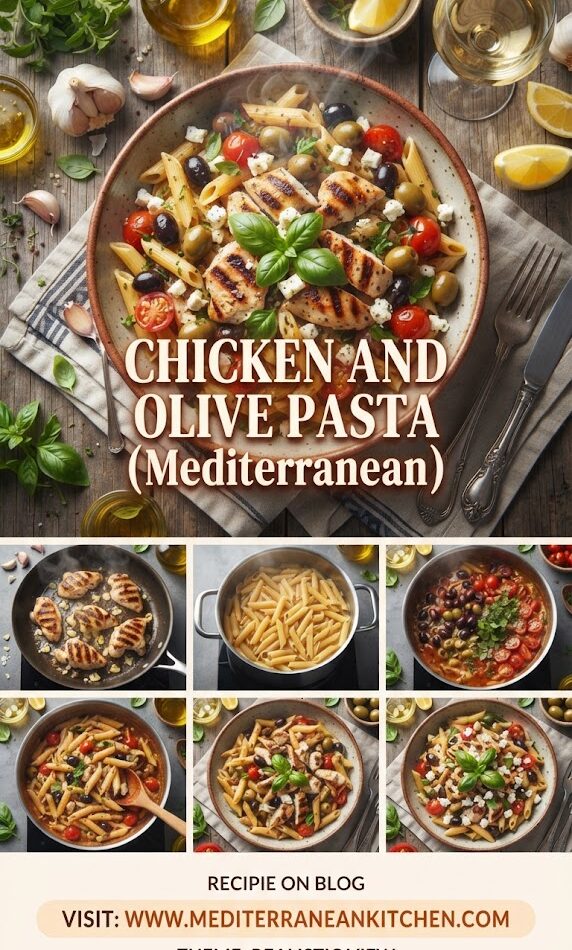
Mediterranean cuisine is more than just a diet; it is a celebration of life, a philosophy of eating that emphasizes fresh, vibrant ingredients, heart-healthy fats, and the joy of a shared meal. At the heart of this culinary tradition lies a dish that perfectly encapsulates these values: Chicken and Olive Pasta. This dish is a masterclass in balance, combining the lean, savory protein of chicken with the briny, complex notes of Mediterranean olives, all tied together by the golden silk of extra virgin olive oil and the comforting bite of al dente pasta.
In this comprehensive guide, we will explore everything you need to know to master this iconic dish, from the historical roots of its ingredients to the scientific secrets of creating the perfect sauce. Whether you are a seasoned home chef or a kitchen novice, this article will provide you with the insights and techniques necessary to elevate your Mediterranean cooking to a professional level.
The Mediterranean Philosophy: Why This Dish Works
The magic of Chicken and Olive Pasta lies in the “Mediterranean Triad”—grain, olive, and vine. While pasta provides the canvas, the olives provide the character, and the chicken adds the substance. Unlike heavy, cream-based sauces common in Northern European or American-style Italian cooking, this dish relies on the quality of its fats and the brightness of its aromatics.
The Mediterranean diet has long been hailed as the gold standard for heart health and longevity. By focusing on monounsaturated fats (from olive oil and olives), lean proteins, and complex carbohydrates, this pasta dish offers a nutritionally balanced meal that doesn’t sacrifice flavor for health.
The Anatomy of Ingredients: Choosing the Best
To create a world-class Chicken and Olive Pasta, you must start with superior ingredients. In a dish with so few components, there is nowhere for low-quality products to hide.
1. The Olives: The Soul of the Dish
Olives are the primary flavor driver in this recipe. They provide the salt, the acidity, and the umami.
- Kalamata: These deep purple, almond-shaped olives from Greece are perhaps the most popular choice. They offer a fruity, wine-like flavor and a meaty texture.
- Castelvetrano: If you prefer a milder, buttery flavor, these vibrant green Sicilian olives are unmatched. They provide a crisp snap and a subtle sweetness.
- Gaeta: Small, dark, and wrinkled, these Italian olives offer a concentrated saltiness that melts into the sauce.
- Nyon or Niçoise: These small French olives add a herbal, slightly bitter complexity that pairs beautifully with garlic and lemon.
Expert Tip: Always buy olives with the pits still in if possible, as they retain more flavor and texture. Simply crush them with the side of a knife to remove the pits before cooking.
2. The Chicken: Perfecting the Protein
While chicken breast is a popular choice for its lean profile, many Mediterranean chefs prefer chicken thighs for their higher fat content and resistance to overcooking.
- Chicken Breast: Sliced into thin medallions or bite-sized cubes, it cooks quickly and absorbs the flavors of the pan.
- Chicken Thighs: Skinless, boneless thighs offer a richer flavor and remain juicy even after sautéing.
- The Searing Technique: The key to great chicken in pasta is the Maillard reaction. You want a deep golden-brown crust on the outside, which creates a fond (the brown bits at the bottom of the pan) that serves as the base for your sauce.
3. The Pasta: The Canvas
The shape of the pasta determines how the sauce and ingredients interact.
- Penne or Rigatoni: These tubular shapes are excellent for “catching” pieces of olive and garlic inside.
- Fusilli or Rotini: The spirals are perfect for holding onto the olive oil-based sauce.
- Linguine or Spaghetti: For a more elegant, “twirlable” experience, long strands work well if the chicken is sliced very thinly.
- Bronze-Cut Pasta: Look for pasta labeled “trafilata al bronzo.” This traditional manufacturing method leaves a rough surface on the pasta, allowing the sauce to cling to it rather than sliding off.
4. The Liquid Gold: Extra Virgin Olive Oil (EVOO)
In Mediterranean cooking, olive oil is not just a cooking medium; it is a seasoning. Use a high-quality, cold-pressed EVOO. Look for oils with a peppery finish, which indicates a high polyphenol (antioxidant) content.
Step-by-Step Masterclass: The Definitive Recipe
Ingredients List
- 1 lb (500g) Bronze-cut Penne or Fusilli
- 1.5 lbs (700g) Chicken Thighs or Breasts, cut into 1-inch pieces
- 1 cup Mixed Mediterranean Olives (Kalamata and Castelvetrano), pitted and halved
- 4-6 Cloves of Garlic, thinly sliced (not minced)
- 1/2 cup Extra Virgin Olive Oil
- 1/2 tsp Red Pepper Flakes (adjust for heat)
- 1/4 cup Capers, drained and rinsed
- 1 cup Cherry Tomatoes, halved (optional, for sweetness)
- 1/2 cup Dry White Wine (Pinot Grigio or Sauvignon Blanc)
- Zest and Juice of 1 Lemon
- 1/2 cup Fresh Flat-Leaf Parsley, chopped
- 1/2 cup Freshly Grated Parmigiano-Reggiano or Pecorino Romano
- Salt and freshly ground Black Pepper
Instructions
Phase 1: The Prep and the Pasta
- Boil the Water: Bring a large pot of water to a rolling boil. Add enough salt so that it tastes like the sea. This is your only chance to season the pasta itself.
- Cook the Pasta: Add the pasta and cook for 2 minutes less than the package instructions. You want it to be very “al dente” because it will finish cooking in the sauce.
- The Secret Ingredient: Before draining, reserve at least 2 cups of the starchy pasta water. This is the “liquid gold” that will emulsify your sauce.
Phase 2: Searing the Chicken
- Season the chicken pieces generously with salt and pepper.
- In a large skillet or wide sauté pan, heat 2 tablespoons of olive oil over medium-high heat.
- Add the chicken in a single layer. Do not crowd the pan; work in batches if necessary. Sear until golden brown on all sides (about 5-7 minutes).
- Remove the chicken from the pan and set aside on a plate. It doesn’t need to be fully cooked through yet.
Phase 3: Building the Flavor Base (The Soffritto)
- Lower the heat to medium. In the same pan, add another 3 tablespoons of olive oil.
- Add the sliced garlic and red pepper flakes. Sauté for 1-2 minutes until the garlic is fragrant and golden around the edges. Do not burn the garlic, or it will turn bitter.
- Add the olives and capers. Sauté for another 2 minutes. The heat will cause the olives to release their oils and the capers to “pop,” deepening the flavor.
- If using cherry tomatoes, add them now and cook until they just begin to burst.
Phase 4: Deglazing and Emulsifying
- Pour in the white wine. Use a wooden spoon to scrape up all the browned bits (the fond) from the bottom of the pan. Let the wine reduce by half.
- Return the chicken and any accumulated juices to the pan.
- Add 1 cup of the reserved pasta water and the lemon juice. Bring to a simmer.
Phase 5: The Marriage
- Add the undercooked pasta directly into the skillet with the sauce.
- Toss vigorously over medium heat. The starch in the pasta water will combine with the olive oil and chicken fats to create a creamy, emulsified sauce that coats every strand.
- If the pasta looks dry, add more pasta water 1/4 cup at a time.
- Remove from heat.
Phase 6: The Finishing Touches
- Fold in the fresh parsley, lemon zest, and the remaining olive oil.
- Sprinkle with the grated cheese. The heat from the pasta will melt the cheese into the sauce, adding a final layer of salty richness.
- Taste and adjust seasoning. Note: The olives and capers are salty, so you may not need much additional salt.
Regional Variations: Customizing Your Dish
The beauty of Mediterranean cooking is its adaptability. Depending on which coast of the Mediterranean you find yourself on, this dish might take on different characteristics.
The Greek Variation (The Horiatiki Style)
In Greece, the flavors are often bolder and more herbal.
- The Cheese: Swap the Parmigiano for crumbled Feta. Add the Feta at the very end so it softens but doesn’t completely melt.
- The Herbs: Use dried oregano and fresh mint alongside the parsley.
- The Vegetables: Add sliced red onions and chopped cucumbers (added raw at the end) for a “pasta salad” feel.
The Italian Variation (The Puttanesca Twist)
Taking inspiration from the famous “Lady of the Night” sauce, this version is punchy and aromatic.
- The Anchovies: Dissolve 3-4 anchovy fillets in the hot oil along with the garlic. They will melt away, leaving a deep, savory umami base.
- The Tomatoes: Use a can of crushed San Marzano tomatoes instead of just fresh cherry tomatoes for a saucier, redder version.
The Spanish Variation (The Estilo Español)
Spanish flavors often lean towards the smoky and earthy.
- The Spice: Add a teaspoon of Pimentón (smoked Spanish paprika).
- The Olives: Use Manzanilla or Gordal olives stuffed with pimentos.
- The Garnish: Add toasted slivered almonds for a delightful crunch.
The Science of Scent and Flavor: Why It Tastes So Good
Have you ever wondered why the combination of garlic, olive oil, and lemon is so ubiquitous in Mediterranean cooking? It comes down to the balance of the four pillars of flavor: Salt, Fat, Acid, and Heat.
- Salt: Provided by the olives, capers, and pasta water. Salt enhances all other flavors.
- Fat: Provided by the olive oil and chicken. Fat carries the aromatics (garlic, herbs) to your taste buds.
- Acid: Provided by the lemon and white wine. Acid cuts through the richness of the fat, brightening the dish and preventing it from feeling “heavy.”
- Heat: Provided by the red pepper flakes and the physical temperature of the sauté.
When these four elements are in harmony, the dish achieves “palatability,” a state where your brain craves the next bite.
Nutrition Spotlight: The Health Benefits of the Mediterranean Lifestyle
This Chicken and Olive Pasta isn’t just delicious; it’s a powerhouse of nutrition.
The Power of Olives
Olives are rich in vitamin E and other powerful antioxidants. Studies suggest they are good for the heart and may protect against osteoporosis and cancer. The primary fat in olives is oleic acid, which has been linked to decreased inflammation.
Garlic: Nature’s Medicine
Garlic contains Allicin, a compound known for its medicinal properties, including the ability to boost the immune system and lower blood pressure. In this dish, the gentle sautéing of garlic releases these compounds while mellowing its harsh raw bite.
Complex Carbohydrates
By cooking pasta al dente, you lower its Glycemic Index (GI). Al dente pasta takes longer for the body to break down, leading to a slower, more sustained release of energy rather than a blood sugar spike.
Lean Protein
Chicken provides high-quality protein containing all nine essential amino acids. Protein is crucial for muscle repair, immune function, and keeping you feeling full longer.
Perfect Pairings: Completing the Meal
To turn this pasta dish into a full Mediterranean feast, consider these pairings:
1. The Wine
- White: A crisp, high-acid white wine like a Vermentino from Sardinia or a Sauvignon Blanc from New Zealand. The acidity mirrors the lemon in the dish.
- Rosé: A dry Provençal Rosé offers a beautiful floral note that complements the olives.
- Red: If you prefer red, go for something light and low-tannin, like a Chianti or a Pinot Noir.
2. The Side Salad
A simple Arugula Salad with a lemon-tahini dressing or a classic Caprese (mozzarella, tomato, basil) provides a cool contrast to the warm pasta.
3. The Bread
A loaf of crusty Sourdough or Ciabatta is essential. You’ll want something to mop up the remaining olive oil and garlic sauce at the bottom of your bowl (a practice known in Italy as “la scarpetta” or the little shoe).
Troubleshooting Common Mistakes
Even simple dishes have pitfalls. Here is how to avoid them:
- Dry Pasta: If your pasta feels sticky or dry, you didn’t use enough pasta water. The water contains starch that creates a velvety sauce. Always reserve more than you think you need.
- Rubbery Chicken: This happens when chicken is boiled in the sauce rather than seared. Ensure your pan is hot enough to get a brown crust before adding liquids.
- Bitter Garlic: If the garlic turns dark brown or black, throw it out and start over. Bitter garlic will ruin the entire flavor profile.
- Overpowered by Salt: Remember that olives and capers are very salty. Be cautious when adding extra salt to the chicken or the sauce.
Storing and Reheating
Mediterranean Chicken and Olive Pasta makes for an excellent lunch the next day.
- Storage: Store in an airtight container in the refrigerator for up to 3 days.
- Reheating: Avoid the microwave if possible, as it can make the chicken rubbery. Instead, reheat in a skillet over medium-low heat. Add a splash of water or a drizzle of olive oil to loosen the sauce and restore its silkiness.
- Freezing: While the chicken and sauce freeze well, pasta can become mushy when thawed. If you plan to freeze this dish, it’s best to freeze the chicken and olive mixture separately and cook fresh pasta when you’re ready to eat.
The Cultural Significance of the Olive
To truly appreciate this dish, one must understand the history of the olive tree. Often called the “Eternal Tree,” some olive trees in the Mediterranean are over 2,000 years old and still producing fruit. In ancient Greece, the olive branch was a symbol of peace and victory.
For the people of the Mediterranean, the olive harvest is a communal event, bringing families together to hand-pick the fruit. This sense of community and connection to the land is what makes Mediterranean food so special. When you cook Chicken and Olive Pasta, you aren’t just making a meal; you are participating in a tradition that spans millennia.
Conclusion: Bringing the Mediterranean Home
The Mediterranean Chicken and Olive Pasta is a testament to the fact that you don’t need a long list of complicated ingredients to create a gourmet meal. By focusing on the quality of your olives, the sear on your chicken, and the emulsification of your sauce, you can create a dish that is both rustic and refined.
This recipe invites you to slow down, pour a glass of wine, and enjoy the process of cooking. Whether you’re serving it for a busy weeknight dinner or a leisurely Sunday lunch with friends, it is guaranteed to bring a taste of the sun-drenched Mediterranean coast to your table.
Embrace the flavors of the olives, the zing of the lemon, and the richness of the oil. This is more than just pasta—it’s a celebration of the good life. Bon Appétit!