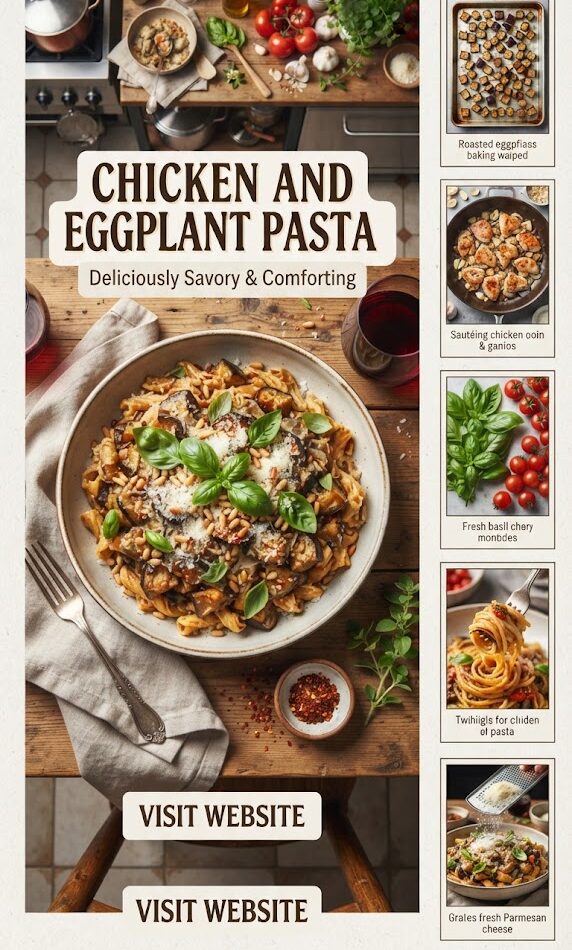
The culinary marriage of tender chicken and earthy eggplant is one of the most underrated combinations in the world of pasta. While “Pasta alla Norma”—the iconic Sicilian dish featuring fried eggplant, tomatoes, and ricotta salata—has long held its place in the gastronomic hall of fame, the addition of protein-rich chicken elevates this dish from a light vegetarian meal to a robust, satisfying feast.
This comprehensive guide explores every facet of Chicken and Eggplant Pasta. We will delve into the history of these ingredients, the science of cooking eggplant to perfection, the best cuts of chicken for moisture and flavor, and a variety of regional interpretations that will make this your new go-to weeknight dinner or weekend centerpiece.
The Cultural Significance of the Ingredients
To truly appreciate Chicken and Eggplant Pasta, one must understand the roots of its components. Eggplant, or melanzana, was brought to the Mediterranean by the Arabs in the Middle Ages. Initially met with suspicion—its name in Italian sounds like mela insana or “unhealthy apple”—it eventually became the “meat of the poor.” Because it is porous and absorbs flavors like a sponge, it became a staple in Southern Italian cuisine.
Chicken, conversely, provides a neutral yet savory canvas. When paired with the smoky, slightly bitter notes of eggplant and the acidity of a tomato-based sauce, chicken takes on a new dimension of flavor. This fusion is a testament to the Italian-American culinary evolution, where traditional Old World vegetable-centric dishes were adapted with more abundant proteins to create hearty, “Sunday dinner” style meals.
Choosing the Right Ingredients: Quality Matters
A great dish is only as good as its individual parts. Here is a breakdown of what you need to look for when shopping for Chicken and Eggplant Pasta.
1. The Eggplant (The Star of the Show)
There are several varieties of eggplant, and your choice will dictate the texture of the dish:
- Globe Eggplant (American): Large and meaty. These are best for dicing into large cubes. They have a thicker skin that can become chewy, so peeling in “strips” (zebra style) is often recommended.
- Italian Eggplant: Slightly smaller and sweeter than Globe varieties. The skin is thinner, making it ideal for sautéing.
- Japanese/Chinese Eggplant: Long and slender with very few seeds. These are excellent if you want the eggplant to almost melt into the sauce.
2. The Chicken (The Protein Powerhouse)
- Chicken Thighs (Boneless/Skinless): Most chefs prefer thighs for pasta because they remain juicy even after simmering in sauce. They have a higher fat content which adds richness to the pasta water and sauce.
- Chicken Breast: If you prefer a leaner option, chicken breast works well but requires careful timing to avoid becoming dry and stringy.
3. The Pasta (The Foundation)
Texture is key. You want a pasta shape that can “catch” the chunks of eggplant and chicken:
- Rigatoni or Penne: The ridges (rigate) help the sauce cling to the noodle, and the hollow centers trap bits of garlic and herbs.
- Fusilli: The spirals are perfect for capturing smaller pieces of eggplant.
- Orecchiette: “Little ears” provide a wonderful textural contrast to the soft eggplant.
4. The Aromatics and Sauce
- Tomatoes: Use San Marzano canned tomatoes for an authentic, sweet-acidic balance. Fresh cherry tomatoes are great for a lighter, “crudo” style sauce in the summer.
- Garlic: Use fresh cloves, never the pre-minced jarred variety.
- Herbs: Fresh basil is non-negotiable. Dried oregano can add an earthy depth, but the finish should always involve fresh green herbs.
The Science of Preparing Eggplant: To Salt or Not to Salt?
One of the biggest hurdles for home cooks is the texture of the eggplant. If undercooked, it’s spongy and rubbery; if overcooked incorrectly, it becomes a greasy mess.
The “Sweating” Technique
Eggplants are porous. When you fry them, they act like a sponge, soaking up oil. Salting the eggplant (sweating) draws out moisture and collapses the air cells within the fruit.
- Cube the eggplant.
- Toss with a generous amount of salt in a colander.
- Let sit for 30–60 minutes.
- Rinse and pat dry thoroughly.
This process not only reduces oil absorption but also tempers any bitterness, resulting in a creamy, “melt-in-your-mouth” texture.
Mastering the Chicken: Searing for Flavor
To maximize the flavor of the chicken, you must achieve the Maillard reaction—that golden-brown crust that develops when proteins are seared.
- Dry the Meat: Always pat the chicken dry with paper towels before seasoning. Moisture is the enemy of a good sear.
- Don’t Crowd the Pan: If you put too much chicken in the pan at once, the temperature drops, and the meat steams in its own juices rather than browning.
- Deglazing: After browning the chicken, you will notice brown bits stuck to the bottom of the pan (the fond). Do not wash this away! This is concentrated flavor. When you add wine or tomato juice, these bits dissolve into the sauce, creating a complex flavor profile.
Step-by-Step Recipe: The Definitive Chicken and Eggplant Pasta
This recipe yields a rich, tomato-based sauce with savory chicken and silky eggplant.
Ingredients
- 1 lb (450g) Penne or Rigatoni
- 2 medium Italian Eggplants, cubed into 1-inch pieces
- 1.5 lbs (680g) Chicken Thighs, cut into bite-sized pieces
- 2 cans (14 oz each) crushed San Marzano tomatoes
- 4 cloves Garlic, thinly sliced
- 1/2 tsp Red pepper flakes (optional, for heat)
- 1/2 cup Dry white wine (Pinot Grigio or Sauvignon Blanc)
- 1/2 cup Freshly grated Parmesan or Ricotta Salata
- 1 large bunch Fresh Basil, torn
- Extra Virgin Olive Oil
- Salt and freshly cracked black pepper
Instructions
Step 1: Prep the Eggplant
Follow the sweating technique mentioned above. Once rinsed and dried, toss the eggplant cubes in a small amount of olive oil. In a large skillet over medium-high heat, fry the eggplant in batches until golden brown on all sides. Remove and set aside on paper towels.
Step 2: Sear the Chicken
In the same skillet, add a bit more oil if needed. Season the chicken with salt and pepper. Sear the chicken until deeply browned on all sides (about 5-7 minutes). The chicken doesn’t need to be cooked through yet. Remove and set aside with the eggplant.
Step 3: The Sauce Base
Lower the heat to medium. Add the sliced garlic and red pepper flakes. Sauté for 1 minute until fragrant but not brown. Pour in the white wine to deglaze the pan, scraping the bottom with a wooden spoon to release the fond. Let the wine reduce by half.
Step 4: Simmer
Add the crushed tomatoes to the skillet. Bring to a gentle simmer. Return the chicken and eggplant to the pan. Cover and simmer on low for 15–20 minutes. This allows the chicken to finish cooking and the eggplant to soften and integrate into the sauce.
Step 5: The Pasta
While the sauce simmers, cook your pasta in a large pot of heavily salted water. Aim for al dente—the pasta should still have a slight bite. Critical Tip: Reserve 1 cup of the starchy pasta water before draining.
Step 6: The Marriage
Add the cooked pasta directly into the sauce skillet. Add half of the reserved pasta water and the torn basil. Toss vigorously over medium heat for 1–2 minutes. The starch in the water helps the sauce emulsify and stick to the pasta. If it looks too dry, add more pasta water.
Step 7: Finishing Touches
Turn off the heat. Stir in the grated cheese. Drizzle with a high-quality extra virgin olive oil and serve immediately.
Variations on the Theme
The beauty of Chicken and Eggplant Pasta lies in its versatility. Depending on your mood or the season, you can pivot the flavor profile entirely.
1. The White Version (Pasta in Bianco)
For those who prefer a lighter, non-tomato-based dish:
- Instead of tomatoes, use more white wine, lemon zest, and a splash of heavy cream or a dollop of mascarpone.
- Add sautéed spinach or kale for extra greens.
- Finish with toasted pine nuts for a crunch that mimics traditional Sicilian recipes.
2. The Baked Casserole (Pasta al Forno)
Transform this dish into a comfort-food bake:
- Prepare the pasta and sauce as usual, but cook the pasta for 3 minutes less than the box instructions.
- Mix in cubes of fresh mozzarella.
- Transfer to a baking dish, top with breadcrumbs and more Parmesan.
- Bake at 400°F (200°C) until the cheese is bubbly and the top is golden brown.
3. The Pesto Twist
- Instead of a red sauce, use a traditional basil pesto or a “Pesto alla Trapanese” (made with tomatoes and almonds).
- The nuttiness of the almonds pairs exquisitely with the charred flavor of the eggplant.
Nutritional Breakdown: Is it Healthy?
Chicken and Eggplant Pasta is a well-balanced meal, especially when compared to heavy, cream-based pastas like Alfredo.
- Eggplant: Low in calories but high in fiber. It contains anthocyanins, specifically nasunin found in the purple skin, which has antioxidant properties and may protect brain cell membranes.
- Chicken: A high-quality source of lean protein, essential for muscle repair and satiety.
- Tomatoes: Rich in lycopene, an antioxidant that becomes more bioavailable when cooked.
- Olive Oil: A source of healthy monounsaturated fats, which are heart-healthy and help the body absorb the vitamins in the vegetables.
To make the dish even healthier, you can substitute traditional pasta for whole-wheat pasta, chickpea pasta, or even zucchini noodles (zoodles).
Expert Tips for the Best Results
- Don’t Scrimp on Oil (But Be Smart): Eggplant needs oil to cook, but it shouldn’t be swimming in it. If the pan looks dry, add oil a tablespoon at a time.
- Use a Wide Skillet: Using a wide, deep skillet (or a braiser) provides more surface area for the sauce to reduce and for the pasta to be tossed properly.
- Freshness is King: Use fresh basil, never dried. The aromatic oils in fresh basil provide a sweet, peppery finish that defines Mediterranean cooking.
- Acid Balance: If your sauce tastes flat, add a teaspoon of balsamic vinegar or a squeeze of lemon at the very end. The acidity brightens the heavy flavors of the chicken and eggplant.
Pairing Suggestions
To turn this meal into an experience, consider these pairings:
Wine Pairings
- Red: A medium-bodied Italian red like Chianti (Sangiovese) or Barbera. The acidity in these wines cuts through the richness of the eggplant and matches the tomato sauce.
- White: If you prefer white, go for a Vermentino or a crisp Pinot Grigio.
Side Dishes
- Arugula Salad: The bitterness of arugula with a simple lemon-olive oil dressing provides a refreshing contrast to the savory pasta.
- Garlic Bread: A crusty baguette rubbed with garlic and toasted with butter is the perfect vessel for mopping up any leftover sauce.
Troubleshooting Common Issues
- “My eggplant is too mushy”: This usually happens if the eggplant is boiled in the sauce for too long or if it wasn’t seared at a high enough temperature initially. Next time, sear it longer to develop a “crust” before adding it to the liquid.
- “The sauce is too acidic”: Tomatoes vary in acidity. If the sauce is too tart, add a pinch of sugar. This is an old Italian grandmother’s trick to balance the flavors.
- “The chicken is dry”: If using chicken breast, try “velveting” the meat or simply adding it back to the sauce only for the last 5 minutes of simmering.
Storage and Reheating
Chicken and Eggplant Pasta makes for excellent leftovers, as the flavors continue to develop overnight.
- Storage: Store in an airtight container in the refrigerator for up to 3 days.
- Reheating: Avoid the microwave if possible, as it can make the chicken rubbery and the eggplant oily. Instead, reheat in a pan over medium-low heat with a splash of water or extra tomato sauce to loosen the noodles.
- Freezing: This dish freezes reasonably well, though the eggplant may become softer upon thawing. It will last in the freezer for up to 2 months.
Conclusion: Why You Should Cook This Tonight
Chicken and Eggplant Pasta is more than just a meal; it is a celebration of Mediterranean ingredients. It balances the rustic, earthy textures of the vegetable kingdom with the satisfying protein of the poultry world. Whether you are looking to impress guests at a dinner party or simply want to provide a nutritious, flavor-packed meal for your family, this dish hits every note.
By mastering the preparation of the eggplant and the searing of the chicken, you unlock a depth of flavor that rivals high-end Italian trattorias. So, grab a bottle of olive oil, a fresh bunch of basil, and get cooking. Your kitchen is about to smell like the heart of Sicily.
Title Tag: Chicken and Eggplant Pasta Recipe: The Ultimate Mediterranean Guide Meta Description: Discover how to make the perfect Chicken and Eggplant Pasta. This comprehensive guide covers ingredient selection, cooking techniques, and regional variations for a healthy, flavor-packed meal. Primary Keywords: chicken and eggplant pasta, eggplant pasta recipe, Mediterranean pasta recipes, chicken pasta dishes, how to cook eggplant for pasta, healthy Italian dinner ideas. Secondary Keywords: pasta alla norma with chicken, rigatoni with eggplant, sautéed eggplant and chicken, Italian-American fusion recipes, high-protein pasta recipes.