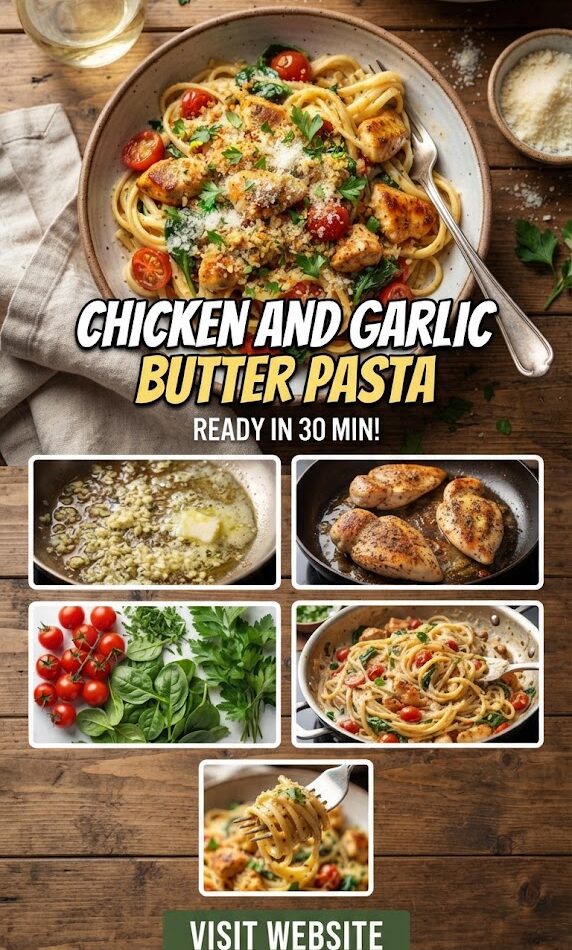
There is something inherently soul-warming about the combination of succulent chicken, aromatic garlic, and rich, golden butter tossed with perfectly cooked pasta. It is a dish that transcends cultural boundaries, offering a sense of home and comfort with every forkful. Whether you are a novice home cook looking for a reliable weeknight dinner or a seasoned epicurean seeking to refine a classic, the Chicken and Garlic Butter Pasta is a foundational recipe that rewards patience, quality ingredients, and technique.
In this comprehensive guide, we will dive deep into the nuances of this beloved dish. We will explore the science of the emulsion, the art of the sear, and the secrets to selecting the finest ingredients to transform a simple meal into a restaurant-quality experience.
The Anatomy of Flavor: Why Garlic and Butter Work
To understand why this dish is so successful, we must look at the chemistry of its components. Butter is not just a fat; it is a flavor carrier. When heated, the milk solids in butter can be toasted to create a nutty, complex profile (beurre noisette), while the fats absorb the essential oils released by the garlic.
Garlic, when raw, is pungent and sharp. However, when gently poached or sautéed in butter, its harshness mellows into a sweet, savory, and almost caramelized depth. When you introduce chicken—seared to develop a Maillard reaction crust—and starchy pasta water, you create a velvety emulsion that coats every strand of pasta. This is not just a sauce; it is a symphony of fat, acid, salt, and heat.
Selecting the Gold Standard: Ingredients Matter
In a dish with so few ingredients, there is nowhere for low quality to hide. Every element must be chosen with intention.
1. The Chicken: Breast vs. Thighs
The debate between chicken breast and chicken thighs is eternal.
- Chicken Breasts: These are the traditional choice. They offer a lean, clean protein profile that allows the garlic butter to shine. To keep them juicy, they must be cooked quickly over high heat or sliced thin into “scaloppine” style.
- Chicken Thighs: For those who prioritize flavor and moisture, boneless, skinless thighs are superior. The higher fat content ensures the meat remains tender even if slightly overcooked, and they provide a richer “chicken” flavor that complements the butter.
2. The Garlic: Freshness is Non-Negotiable
If you take one thing away from this guide, let it be this: never use pre-minced garlic from a jar. Jarred garlic is preserved in citric acid, which alters its flavor profile and strips away the natural pungency. Buy a fresh head of garlic. Look for bulbs that are firm, heavy for their size, and show no signs of green sprouts (which indicate bitterness).
3. The Butter: European-Style is King
While standard American butter is fine, European-style butter (like Kerrygold or Plugra) has a higher butterfat content and lower water content. This results in a creamier mouthfeel and a more pronounced dairy flavor. For this dish, salted or unsalted works, but using unsalted butter allows you to control the sodium levels precisely.
4. The Pasta: Shape and Texture
The shape of the pasta determines how the sauce is delivered to your palate.
- Long Strands (Linguine, Spaghetti, Fettuccine): These provide a large surface area for the butter to coat. Linguine is particularly effective as its slightly flattened shape holds the sauce better than round spaghetti.
- Short Shapes (Penne, Fusilli, Campanelle): If you prefer a dish where the chicken and pasta are easily eaten together in one bite, these are excellent. Fusilli, with its corkscrew shape, is a “sauce-catcher,” trapping bits of garlic and herbs in its spirals.
- Bronze-Cut Pasta: Always look for pasta labeled “bronze-cut.” This traditional manufacturing method leaves the surface of the pasta rough and porous, which is essential for the sauce to “stick” rather than sliding off.
The Master Recipe: Step-by-Step Instructions
This recipe serves four people and focuses on creating a harmonious balance between the citrusy brightness and the rich butter.
Ingredients List
- 1 lb (450g) Chicken Breast or Thighs, cut into bite-sized pieces
- 1 lb (450g) Pasta of choice
- 6-8 cloves of Fresh Garlic, thinly sliced or minced
- 1/2 cup (1 stick) High-quality Unsalted Butter
- 1/2 cup Freshly Grated Parmesan Cheese (Parmigiano-Reggiano)
- 1/2 cup Reserved Pasta Water (The “Liquid Gold”)
- 1 tbsp Extra Virgin Olive Oil
- 1 tsp Red Pepper Flakes (optional, for heat)
- 1/2 cup Fresh Parsley, finely chopped
- Juice of half a Lemon
- Salt and Freshly Cracked Black Pepper to taste
Step 1: Prepping the Protein
Season your chicken generously with salt and pepper at least 15 minutes before cooking. This allows the salt to penetrate the meat, ensuring it is seasoned throughout, not just on the surface. If you want an extra layer of flavor, a dusting of garlic powder or dried oregano can be added here.
Step 2: The Perfect Pasta Boil
Bring a large pot of water to a rolling boil. Salt the water until it “tastes like the sea.” This is your only chance to season the pasta itself. Add the pasta and cook for 1-2 minutes less than the package instructions for “al dente.” The pasta will finish cooking in the sauce later.
Step 3: Searing the Chicken
Heat the olive oil in a large skillet over medium-high heat. Add the chicken in a single layer. Do not crowd the pan; if the pan is too full, the chicken will steam instead of sear. Let it sit undisturbed for 3-4 minutes until a golden-brown crust forms, then flip and cook for another 2-3 minutes. Remove the chicken from the pan and set it aside on a plate.
Step 4: The Garlic Butter Base
Lower the heat to medium-low. This is crucial—garlic burns quickly and becomes bitter. Add the butter to the same skillet, scraping up the brown bits (the fond) left behind by the chicken. Once the butter is melted and foaming, add the garlic and red pepper flakes. Sauté for about 1-2 minutes until the garlic is fragrant and translucent, but not brown.
Step 5: Emulsifying the Sauce
Before draining your pasta, use a measuring cup to scoop out about a cup of the starchy cooking water. Add 1/2 cup of this water to the garlic butter in the skillet. Increase the heat slightly and whisk or stir vigorously. The starch in the water acts as a bridge between the fat (butter) and the liquid, creating a cohesive, silky sauce.
Step 6: The Marriage
Add the undercooked pasta and the cooked chicken (and any juices from the plate) into the skillet. Toss everything together for 1-2 minutes. The pasta will soak up the garlic butter, finishing its cooking process perfectly.
Step 7: Finishing Touches
Turn off the heat. This is important because high heat can cause parmesan cheese to become clumpy or “stringy.” Sprinkle in the grated Parmesan, fresh parsley, and lemon juice. Toss one last time until the cheese has melted into the sauce. If the pasta looks too dry, add a splash more pasta water.
Pro-Tips for Culinary Excellence
1. The Power of “Beurre Noisette”
If you want to take the flavor to a professional level, try browning the butter first. Heat the butter alone until it stops foaming and you see little brown specks at the bottom. It will smell like toasted hazelnuts. Add the garlic at this point, but be extremely careful as the butter is very hot. This adds a level of sophistication found in French bistros.
2. Deglazing with White Wine
Before adding the pasta water, you can deglaze the pan with 1/4 cup of dry white wine (like Sauvignon Blanc or Pinot Grigio). Let the alcohol cook off for a minute. The acidity of the wine cuts through the richness of the butter, providing a balanced, bright finish.
3. The Resting Period
Let the finished pasta sit in the pan for just 60 seconds before serving. This allows the sauce to thicken slightly and adhere even better to the noodles.
Variations to Suit Every Palate
While the classic version is iconic, the beauty of Chicken and Garlic Butter Pasta lies in its versatility.
The Creamy Garlic Butter Version
If you prefer a more decadent, Alfredo-style sauce, add 1/2 cup of heavy cream to the garlic butter before adding the pasta water. This creates a thick, luxurious sauce that feels like a celebration.
The Mediterranean Twist
Add sun-dried tomatoes, kalamata olives, and fresh spinach during the final tossing phase. The heat from the pasta will wilt the spinach perfectly, and the tomatoes add a sweet, tart contrast to the savory garlic.
The Spicy Garlic Herb
Increase the red pepper flakes and add a tablespoon of fresh thyme or rosemary. The earthy herbs pair beautifully with the charred chicken and provide a more rustic, “woodland” flavor profile.
The Veggie-Heavy Version
To make the dish lighter, reduce the pasta amount and add roasted broccoli, sautéed mushrooms, or asparagus spears. This adds fiber and texture, making the meal more nutritionally balanced without sacrificing the garlic butter essence.
Common Pitfalls and How to Avoid Them
1. Rubbery Chicken
This usually happens from overcooking. Always use a meat thermometer if you are unsure; chicken is safe and juicy at an internal temperature of 165°F (74°C). If you are using breasts, consider “velveting” them (a light coating of cornstarch before searing) to lock in moisture.
2. Bitter Garlic
As mentioned, garlic burns in a heartbeat. If your garlic turns dark brown or black, throw it out and start over. The bitterness will permeate the entire dish and cannot be masked by cheese or butter.
3. Greasy Sauce
A greasy sauce occurs when the emulsion fails—the butter and water have separated. This usually happens if you don’t use enough pasta water or if the heat is too low while mixing. Constant tossing and the presence of starchy water are the keys to a smooth sauce.
Dietary Substitutions and Lifestyle Adaptations
Gluten-Free Options
Garlic butter pasta is easily adapted for those with gluten sensitivities. Use a high-quality brown rice or chickpea pasta. Be aware that gluten-free pasta releases less starch, so you may need to whisk a teaspoon of cornstarch into your “pasta water” substitute to achieve the same sauce thickness.
Lower Calorie/Low Carb
For a low-carb version, replace the traditional pasta with “Zoodles” (zucchini noodles) or spaghetti squash. Since these vegetables release a lot of water, sauté them briefly in the garlic butter at the very end to prevent the dish from becoming watery.
Dairy-Free Alternatives
While “butter” is in the name, you can achieve a similar effect using a high-quality vegan butter substitute or a rich, buttery olive oil. Use nutritional yeast in place of Parmesan for that “umami” cheesy kick.
Wine Pairing: The Perfect Sip
To complement the rich, garlicky profile of this dish, you want a wine with enough acidity to cleanse the palate.
- Chardonnay: A lightly oaked Chardonnay has buttery notes that mirror the sauce while providing enough body to stand up to the chicken.
- Pinot Grigio: If your version has a lot of lemon and parsley, a crisp, cold Pinot Grigio is the perfect refreshing companion.
- Sauvignon Blanc: The herbal undertones of a Sauvignon Blanc pair beautifully with fresh garlic and red pepper flakes.
- Light Reds: If you insist on red wine, go for a chilled Beaujolais or a Pinot Noir. These are low in tannins and won’t clash with the garlic.
The History of Garlic Butter in Pasta
While we often associate garlic and butter with Italian-American cuisine, the roots of this flavor pairing are deep. In Italy, Pasta al Burro is a classic “white” pasta often served to children or those seeking comfort. However, the American evolution added the heavy use of garlic and protein like chicken to turn a simple side dish into a robust main course.
During the mid-20th century, as Italian immigrants integrated into the American culinary landscape, ingredients like garlic—which was once considered “too pungent” for refined palates—became a staple of the American kitchen. The Chicken and Garlic Butter Pasta we know today is a testament to that fusion: the Italian focus on pasta technique combined with the American love for hearty, protein-centric meals.
Kitchen Tools for the Best Results
To execute this dish perfectly, having the right tools makes a significant difference:
- Stainless Steel or Cast Iron Skillet: These materials are excellent for searing chicken. Non-stick pans often fail to produce the “fond” (brown bits) that add so much depth to the butter sauce.
- Microplane Grater: For the garlic and the Parmesan. A microplane creates a fine paste of garlic that melts into the butter, and “snow-like” cheese that incorporates without clumping.
- Tongs: Essential for tossing the pasta and ensuring every strand is coated.
- A Large Pasta Pot: Pasta needs room to dance. A cramped pot leads to gummy noodles.
Meal Prep and Storage
Chicken and Garlic Butter Pasta is an excellent candidate for meal prep, provided you follow a few rules.
- Fridge: Store in an airtight container for up to 3 days.
- Reheating: This is the tricky part. Butter sauces tend to “break” or become oily when microwaved. The best way to reheat is in a skillet over low heat with a splash of water or milk to loosen the sauce and restore the emulsion.
- Freezing: It is not recommended to freeze this dish. The texture of the pasta becomes mushy, and the butter sauce loses its creamy consistency upon thawing.
Nutritional Breakdown (Estimated)
Per serving:
- Calories: 550 – 650 kcal
- Protein: 35g – 45g (depending on chicken portion)
- Carbohydrates: 45g – 55g
- Fats: 25g – 35g
While it is a rich dish, you can manage the caloric density by adjusting the amount of butter and using whole-grain pasta for added fiber.
The Final Word: Why This Dish Endures
In a world of complex molecular gastronomy and ever-changing food trends, the Chicken and Garlic Butter Pasta remains a constant. It appeals to our most basic cravings: the warmth of carbohydrates, the richness of fats, and the savory punch of aromatics. It is a dish that can be made in thirty minutes but tastes like it took hours of preparation.
The key to its enduring popularity is its honesty. It doesn’t pretend to be anything other than what it is—delicious, satisfying, and deeply comforting. By mastering the techniques of searing, emulsifying, and seasoning discussed in this guide, you aren’t just making a meal; you are mastering a cornerstone of home cooking.
So, the next time you find yourself standing in your kitchen, wondering what to make for dinner, reach for that head of garlic, that stick of butter, and a pound of pasta. You are only a few steps away from a masterpiece.
Frequently Asked Questions
Can I use frozen chicken? Yes, but ensure it is completely thawed and patted dry with paper towels. Excess moisture on the surface of the chicken will prevent it from browning, resulting in a rubbery texture.
What is the best way to mince garlic for this recipe? For the best flavor distribution, use a garlic press or a Microplane. If you prefer a milder flavor, thinly slice the garlic (Agliata style), which provides little bursts of garlic flavor without overpowering the sauce.
Is it okay to use margarine? Technically yes, but it is highly discouraged. Margarine is made from vegetable oils and lacks the milk solids and richness of real butter. The flavor profile will be significantly flatter and more “chemical.”
How do I prevent my pasta from sticking together? Don’t use oil in the pasta water; it prevents the sauce from sticking to the noodles later. Instead, use a large volume of water and stir the pasta frequently during the first two minutes of cooking.
Can I add lemon zest instead of juice? Both are great! The juice provides acidity, while the zest provides the aromatic oils of the lemon. For the most vibrant flavor, use both.
Summary of the “Golden Rules”
- Salt the water: Like the sea.
- Save the water: Never drain your pasta without reserving some “liquid gold.”
- Mind the heat: Low for garlic, high for chicken.
- Fresh is best: Fresh garlic, fresh parsley, fresh lemon.
- Emulsify: Vigorously toss the pasta, butter, and water to create the perfect sauce.
By following these principles, your Chicken and Garlic Butter Pasta will not just be a meal, but a culinary event that your family and friends will request again and again. Enjoy the process, and more importantly, enjoy every bite.